
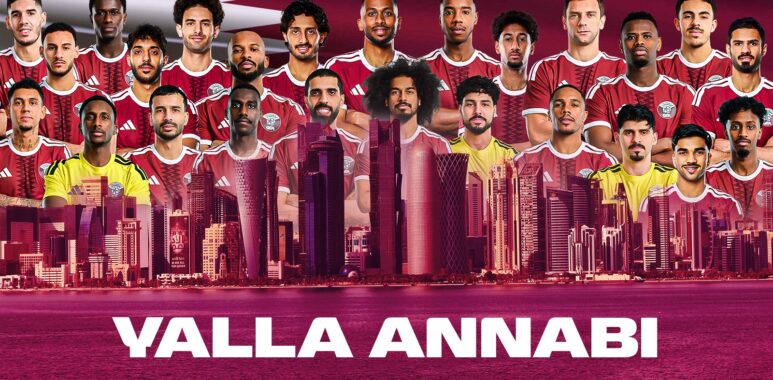
Qatar Player Profiles – Introducing the 26 members of Al-Annabi’s World Cup squad
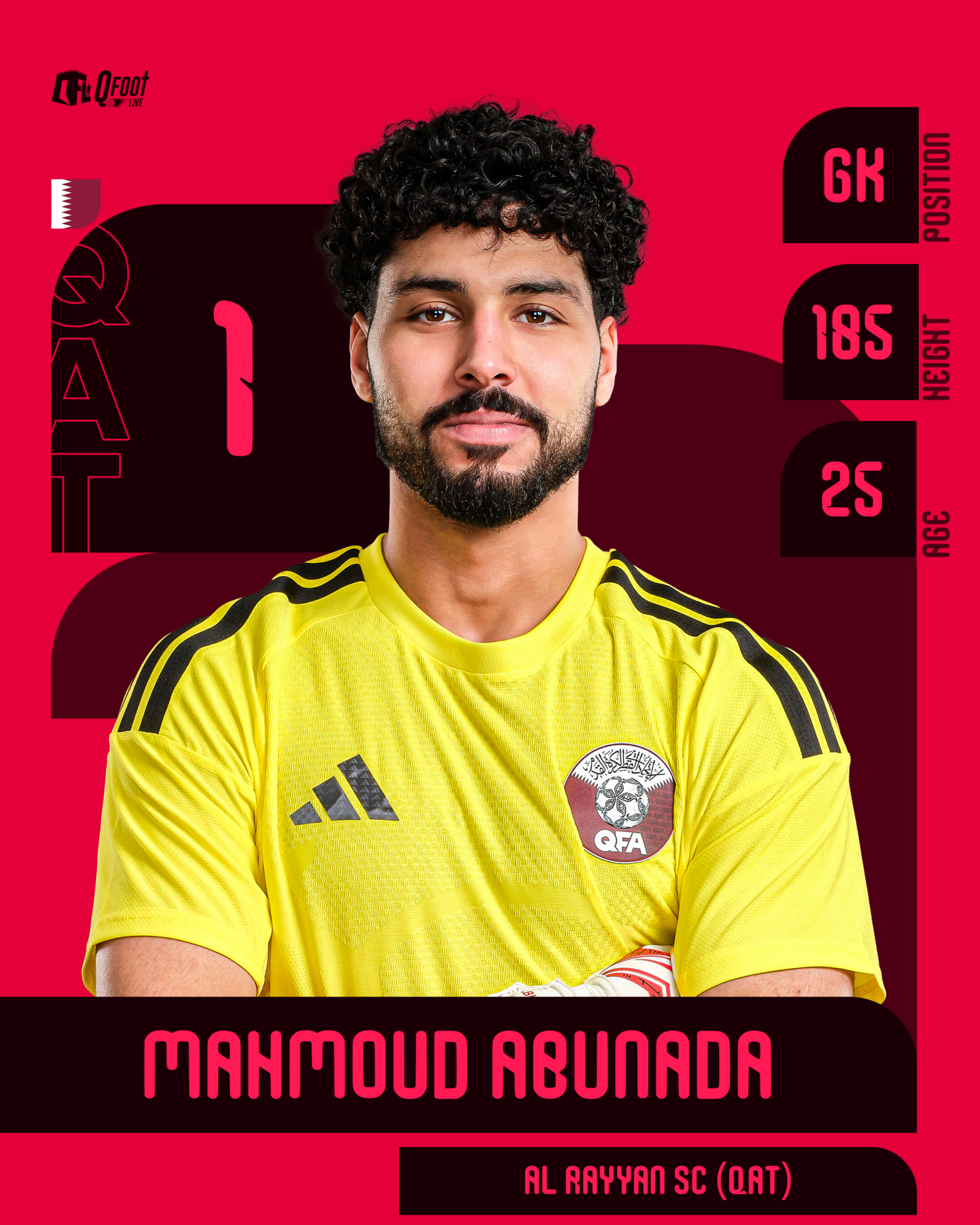
Mahmoud Abunada
When Mahmoud Abunada was named in goal against Oman, for the first of the two ever-important fourth-round qualifier matches in October, eyebrows were raised. The 26-year-old started over veteran Meshaal Barsham and second-in-command Salah Zakaria after spending five years on and off as a peripheral profile on the bench.
Important saves came against Oman and more against the UAE, which ultimately lowered the eyebrows and, more importantly, cemented him as Lopetegui’s first choice. What followed has been the kind of form that makes a decision look obvious in retrospect. Abunada was crowned QFA’s goalkeeper of the year in May on the back of a stellar season with Al Rayyan, adding to his growing reputation as a shot-stopper capable of dealing with close-range efforts coupled with the ability to play out from the back with composure. Lopetegui, it turns out, had seen something in him that five years of patience had not diminished. Qatar, in the World Cup, will hope he was right.
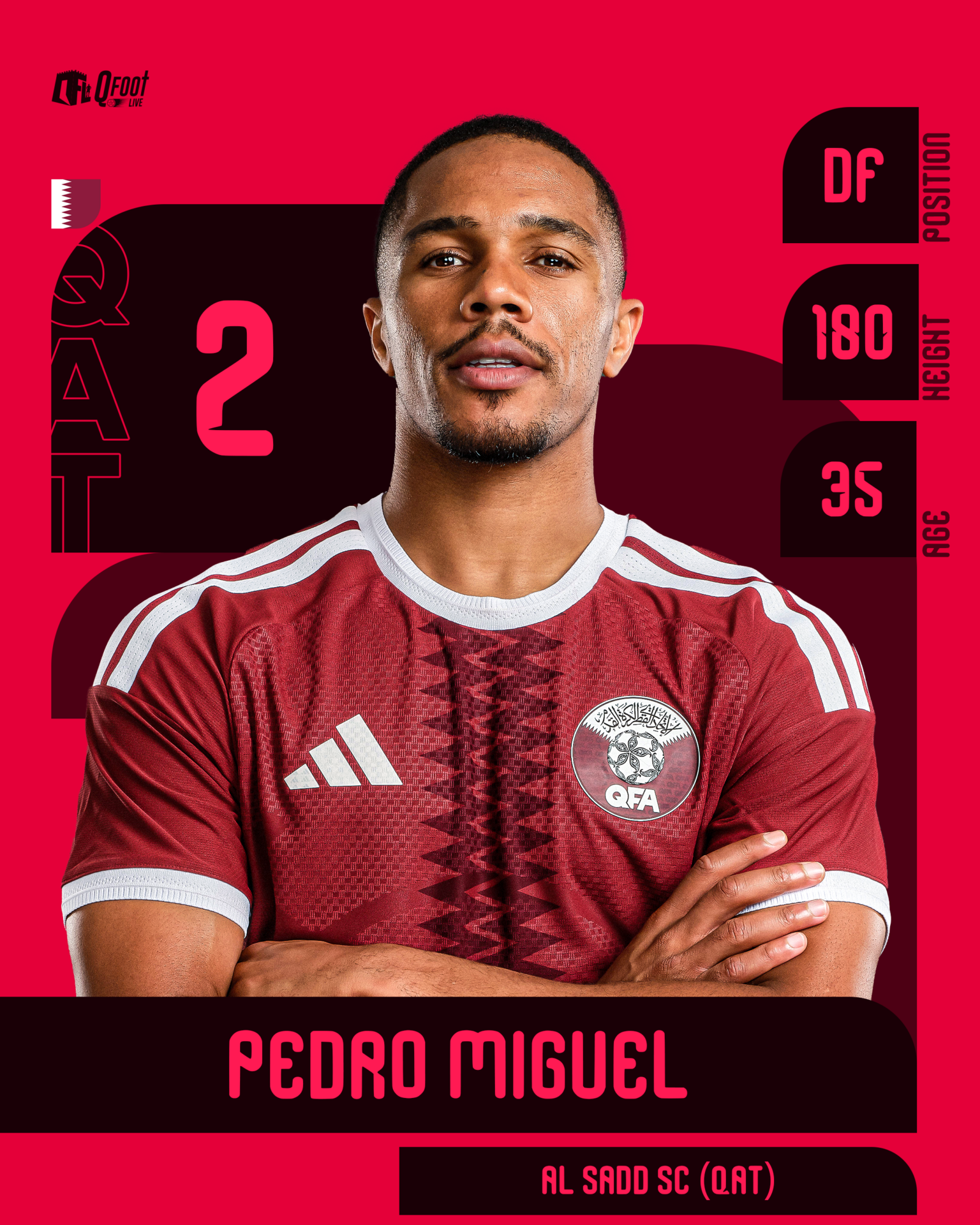
Pedro Miguel
Precisely the kind of player a squad notices most in his absence, Pedro Miguel has been a mainstay for both Al Sadd and Qatar. Naturally, he started all three games in the home World Cup in 2022. “There was a lot of pressure,” Pedro said about Qatar’s debut at the grandest of stages. “There was immense pressure to do well in front of our fans.”
Born in Portugal, the right-back represented Cape Verde at the under-21 level and, through the particular arithmetic of international football, is now one of the most decorated players ever in Qatar. His goal against the UAE sealed Al Annabi’s spot in the World Cup and came entirely in character. The 35-year-old is physical, adaptable, and capable of operating in a back three, and has hence nailed down the right-back position as his own.
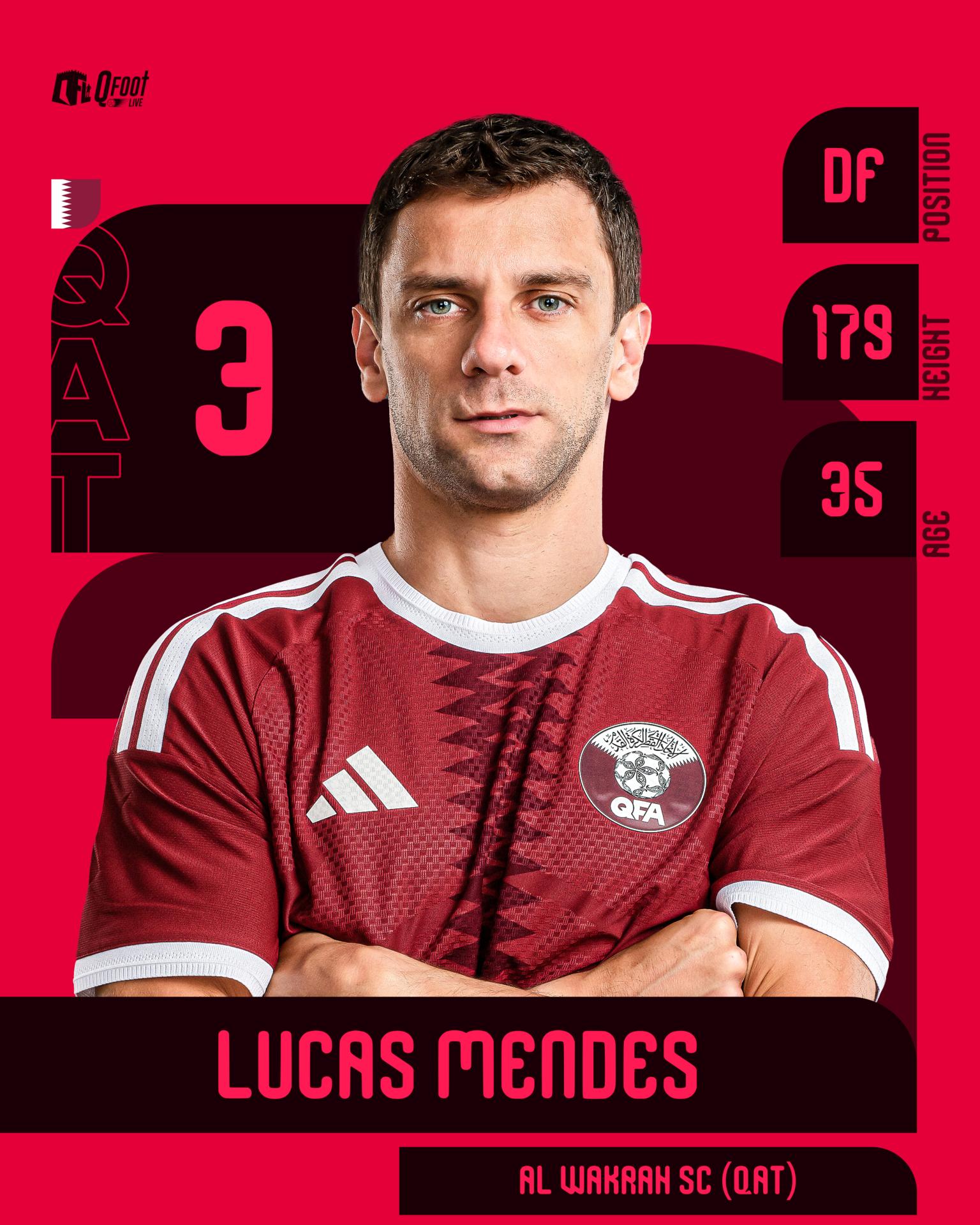
Lucas Mendes
Lucas Mendes arrived in Qatar from Marseille in 2014, yet his wait for a debut stretched past Qatar’s World Cup at home in 2022. When it finally came, he took the opportunity with both hands the way defenders of his type tend to. Mendes’ grit and technical assurance, coupled with consistency, made him an automatic starter in Qatar’s rearguard, but has yet to rise to prominence under Lopetegui.
It was under Bartolome Marquez Lopez, appointed on the eve of the Asian Cup 2023, that Mendes flourished and ultimately played a crucial part in the title defence. The 35-year-old has been at Al Wakrah for five years and is a fan favourite. That owes to his consistency with the club, often showing up as the last man making the challenge nobody else got back to make. Al Annabi fans got a taste of Mendes’ ability to pose a threat in set-pieces in the opposition box in 2024 as the centre-back’s stunning strike secured a last-gasp 3-2 win against eventual automatic qualifiers Uzbekistan.
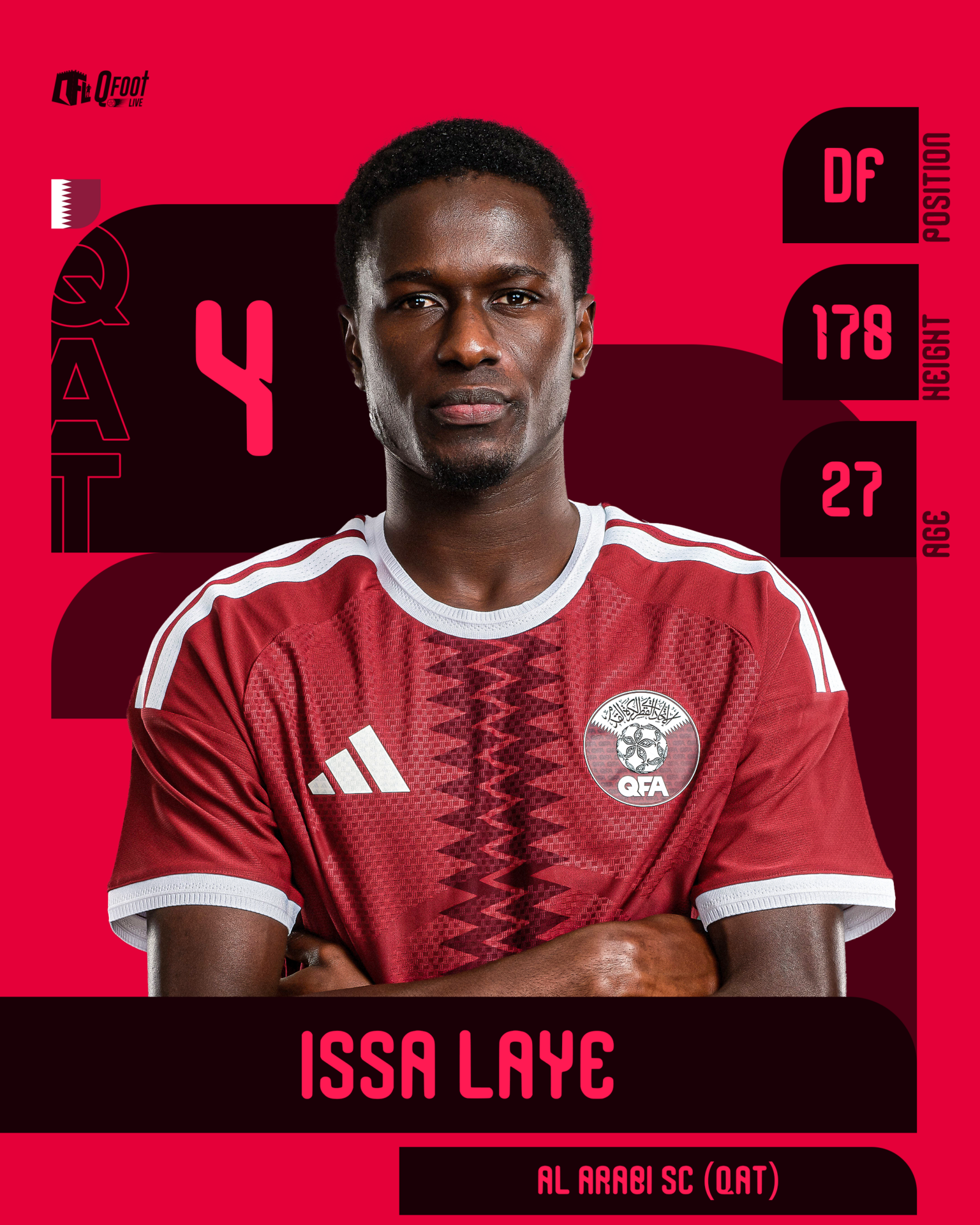
Issa Laye
Issa Laye spent four years in Lusail, largely unnoticed in the depths of the Qatari second division, yet has proved himself among the country’s best defenders in the two seasons of top-flight football that have followed.
The now 28-year-old’s eligibility to represent Qatar coincided almost perfectly with Lopetegui’s bid to inject new profiles into the set-up. Al Annabi’s defence has aged visibly and leaked goals with a regularity that almost dug their own grave during the World Cup qualification. Laye may not be an automatic starter, despite getting ample minutes against Ireland and El Salvador, but in a backline that needs freshness as much as it needs quality, he offers both.
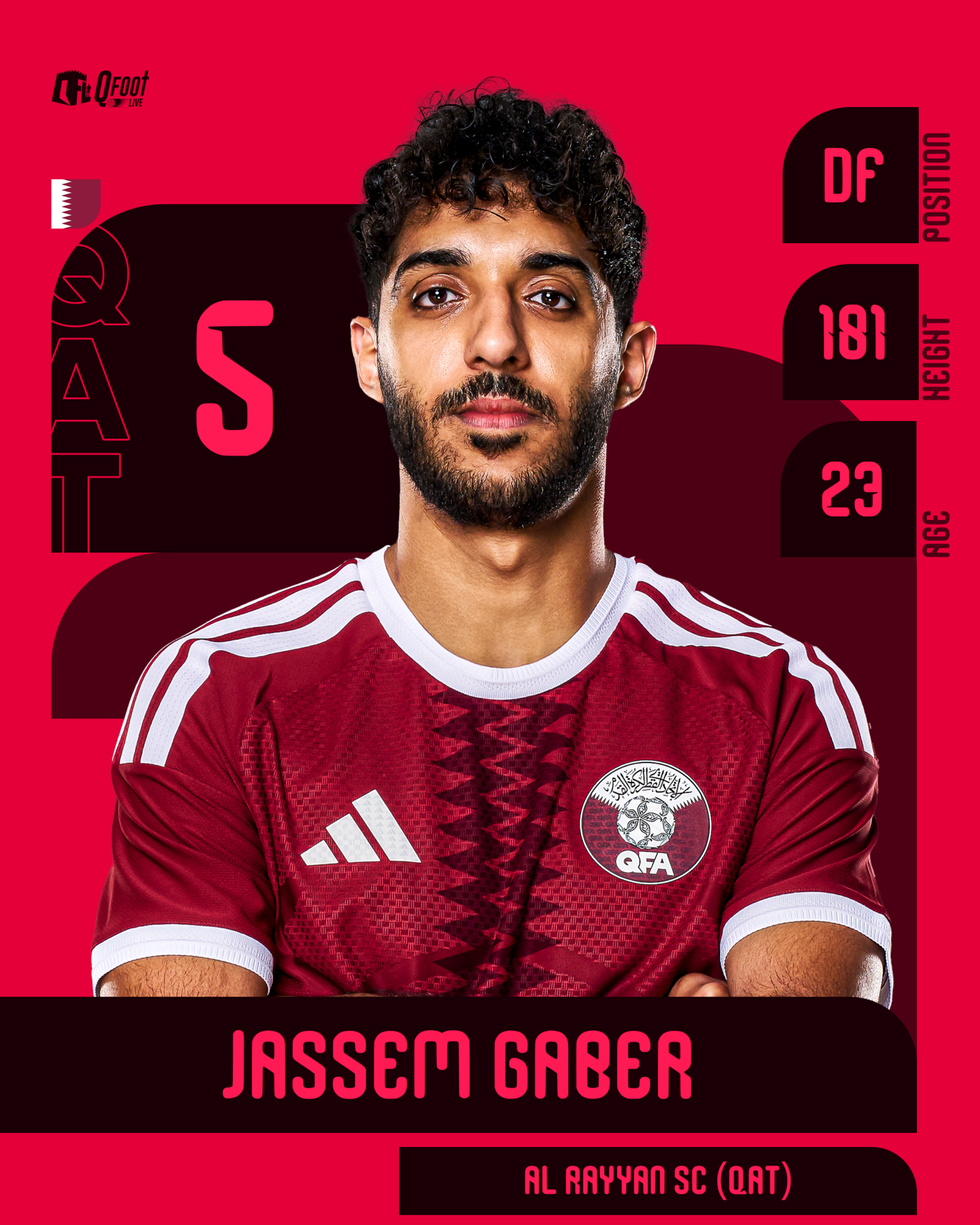
Jassem Gaber
Another midfielder to have come from Aspire Academy’s ranks, Jassem Gaber at his best offers what Qatar’s midfield has been missing. An energetic and combative presence, Gaber is also capable of threading passes into the space ahead of him, which has led many to believe that the Al Rayyan youngster can be more dangerous pushed further forward than his defensive midfield role.
Gaber’s ability as a reliable tournament player was on display during Qatar’s successful Asian Cup title defence; his deflected strike leveled the score against Iran in the semifinal and paved the way for Qatar’s remarkable win. The former Al Arabi midfielder will be expected to make up for the 2022 World Cup at home, where he made it to the squad but did not manage to get a single minute.
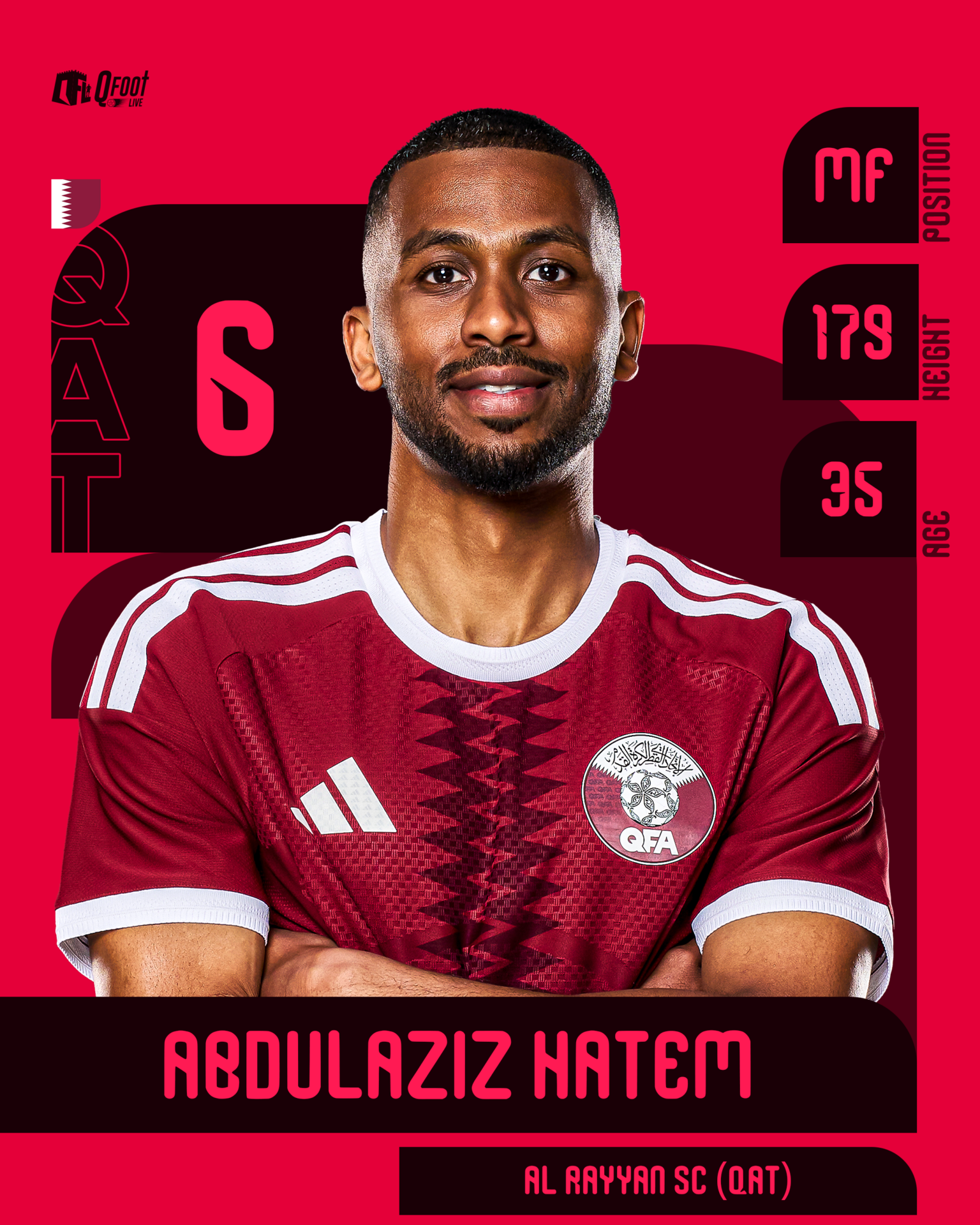
Abdulaziz Hatem
Remarkably, Abdulaziz Hatem’s international career stretches back to the 2000s. Alongside Hassan Al-Haydos, he is one of only two members of the current squad who can make that claim. For much of those early years, the midfielder quietly went about his work, but it was at the 2019 Asian Cup that he truly stepped into the spotlight. His cultured left foot delivered two unforgettable moments: the quarter-final winner against South Korea and then the stunning strike against Japan in the final that helped seal Qatar’s greatest footballing achievement.
Hatem remained an important figure during the runs to the Gold Cup semi-finals and Arab Cup third place in 2021. Yet, like many of his teammates, the home World Cup in 2022 proved a bitter experience. Now in his mid-thirties, the signs of decline are evident, but his place in the squad has endured through one coach after another.
That says something. Experience is difficult to replace, and few players understand the demands of international football better than Hatem.
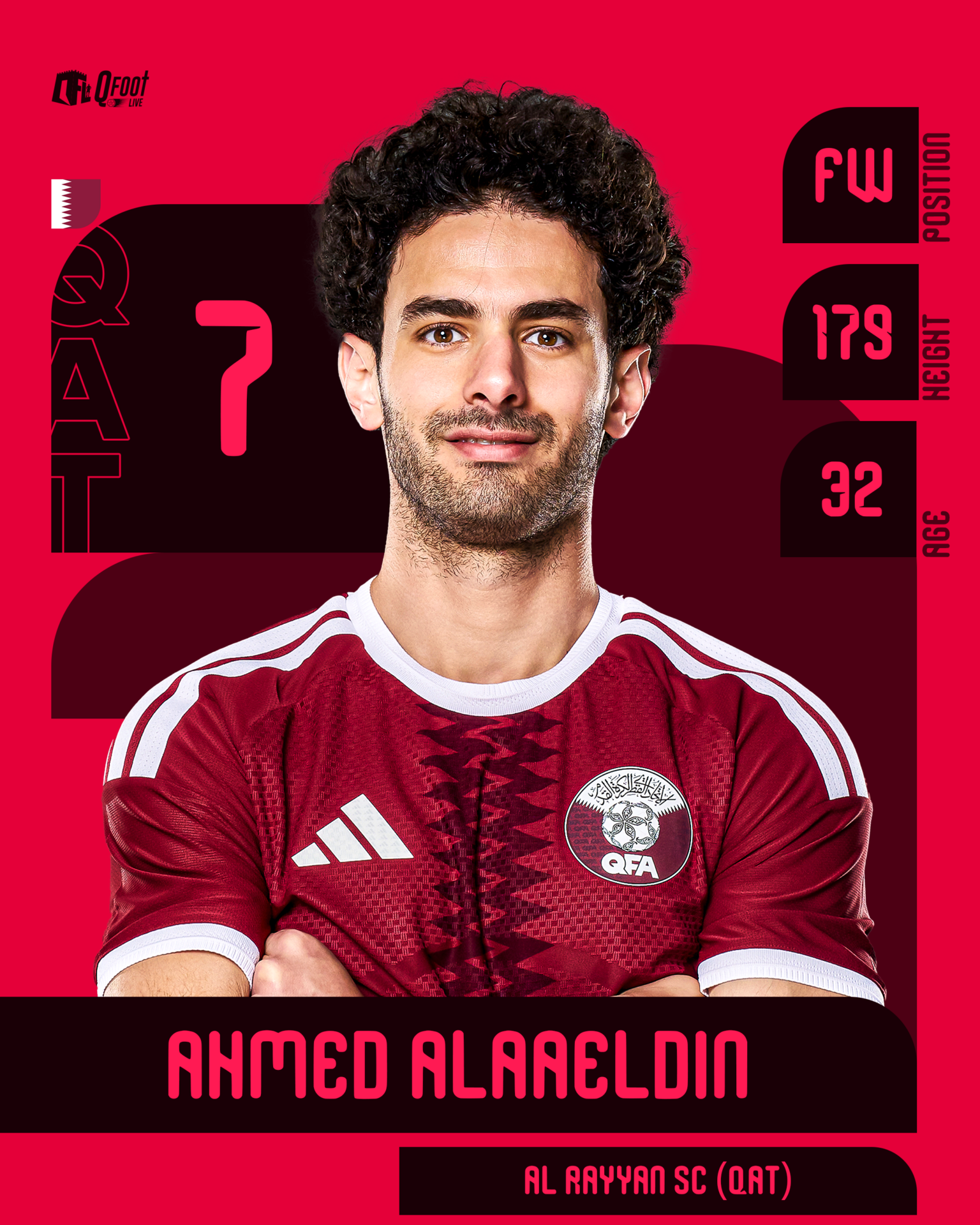
Ahmed Alaaeldin
When Ahmed Alaaeldin finished as top scorer with six goals at the 2016 AFC U-23 Championship, there were hopes that he could be the next big thing for Qatar.
Unfortunately for him, and for Qatar, that has not quite materialised as expected. Regardless, he has persevered at club level and remained in contention whenever a national team coach started to think of options in attack. An industrious player who can be used across the offensive line, Ahmed’s best years came at Al-Gharafa over the past decade.
The summer of 2025 saw him return to his childhood club Al-Rayyan, and went on to help the club break their title drought with victories in the QSL Cup and the AGCFF Gulf Club Champions League.
While Ahmed missed the decisive playoffs on the road to the 2026 World Cup, he has featured in the preparations since then, and scored Qatar’s lone goal in the dismal Arab Cup campaign at home.
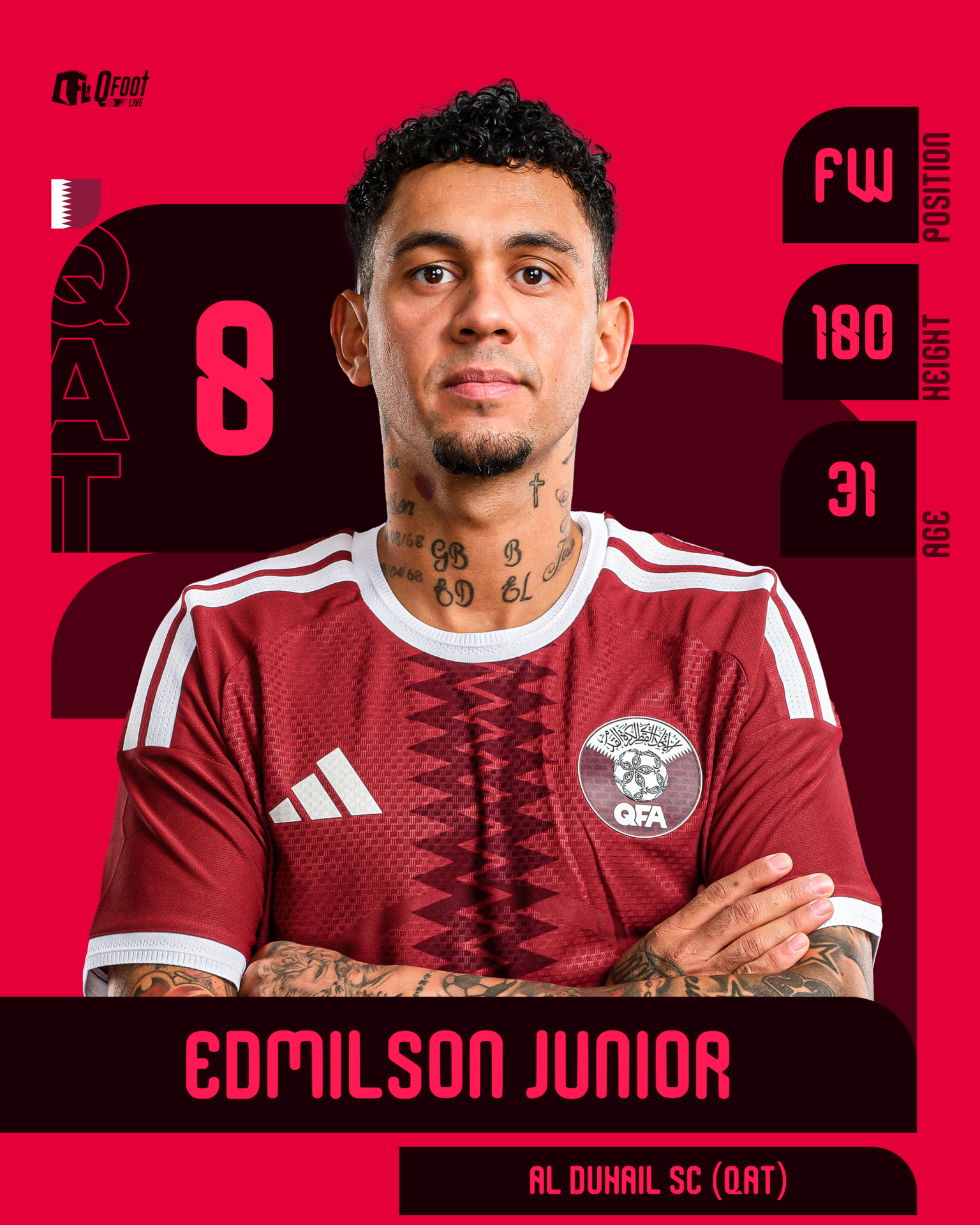
Edmilson Junior
There is a version of Edmilson Junior that Qatar have been waiting to see since he made the switch in October 2024. It arrives in flashes, as has been the case in Al Duhail for years now, but it is enough to make a difference. A shoulder drop here, a cross curling into nothing useful, a shot that finds the top corner when least expected. Yet, it has been tucked away somewhere behind the inconsistency and recurring injuries that have quietly defined his time in the Maroon shirt.
On the flipside, what Qatar have had so far is a player who can be shifted to either flank without complaint, who tracks back when asked, who puts in the kind of shift, as he did in the 2-1 win over the UAE that finally settled their World Cup place.
The Belgium-born winger is capable of whipping a shot into the top corner from the edge of the box and can take on players equally well when allowed to. As such, it is evident why he has been used thus far and will be the one relied on to relieve the pressure on Afif. Lopetegui will need him to exist for longer than a few minutes at a time.
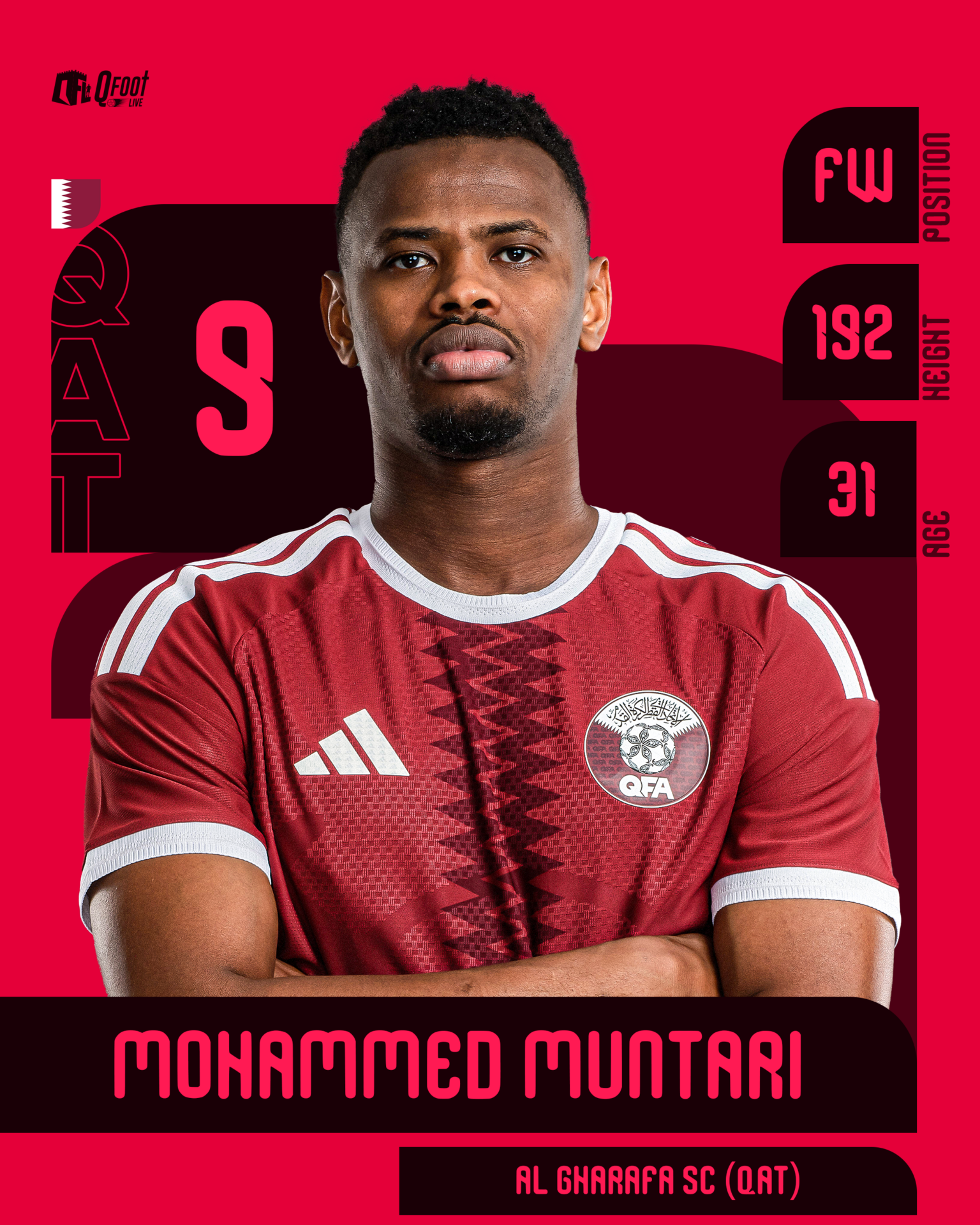
Mohammed Muntari
There are moments that can define a player’s career forever, and Mohammed Muntari will always have that one evening at Al-Thumama Stadium to point to. On 25 November 2022, Ismail Mohammed delivered a cross from the right, and as Muntari rose above the defence, the stadium rose with him. The header that followed remains Qatar’s first and only World Cup goal to date — a landmark moment in a tournament that ultimately ended in disappointment for Al-Annabi.
As Qatar approach 2026, there is a clear sense of unfinished business. Having qualified on merit, the next step is to turn participation into progress: goals, points, and a stronger imprint on the global stage. In that pursuit, Muntari once again becomes a familiar option.
Four years on from his historic strike, he remains an important presence in the squad. Beyond the memory of that goal, his value lies in his profile: at 6’4″, he offers a physical dimension few others in the team can match. But it is not only height or history that keeps him relevant — it is his work rate, willingness to lead the line, and the reliability he brings when Qatar need an outlet up front.
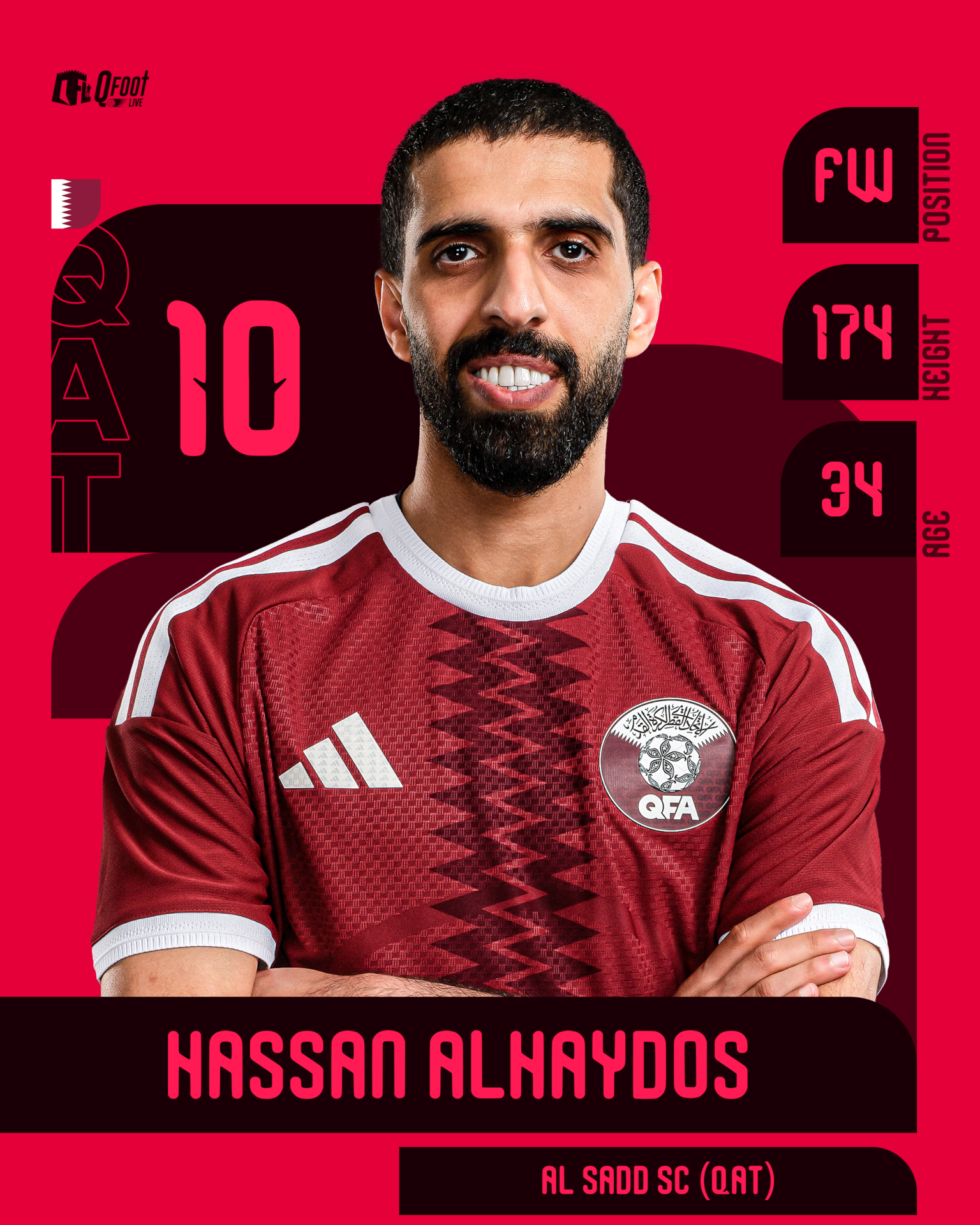
Hassan Al-Haydos
Lopetegui called him out of retirement last year, and Hassan Al-Haydos answered, as he’s always done for Qatar.
The qualification campaign was stuttering badly enough to need something beyond tactics, with the indirect qualification path all but confirmed for the Maroons. “I felt that the team needed me to be present in the locker room,” Al-Haydos said in a recent interview, which, more than anything, explained what he represents.
The Qatar captain will arrive at this World Cup among the most-capped players in the tournament. He is unlikely to start but will be counted on to lead the dressing room, with his crucial contributions to Qatar’s consecutive Asian Cup triumphs being the main references. An attacking midfielder who puts on tireless shifts, he has spent his entire career at Al Sadd and signed a contract with no end date last year. While it is safe to assume that the 35-year-old’s career is a chapter mostly written now, Al-Haydos still remains indispensable.
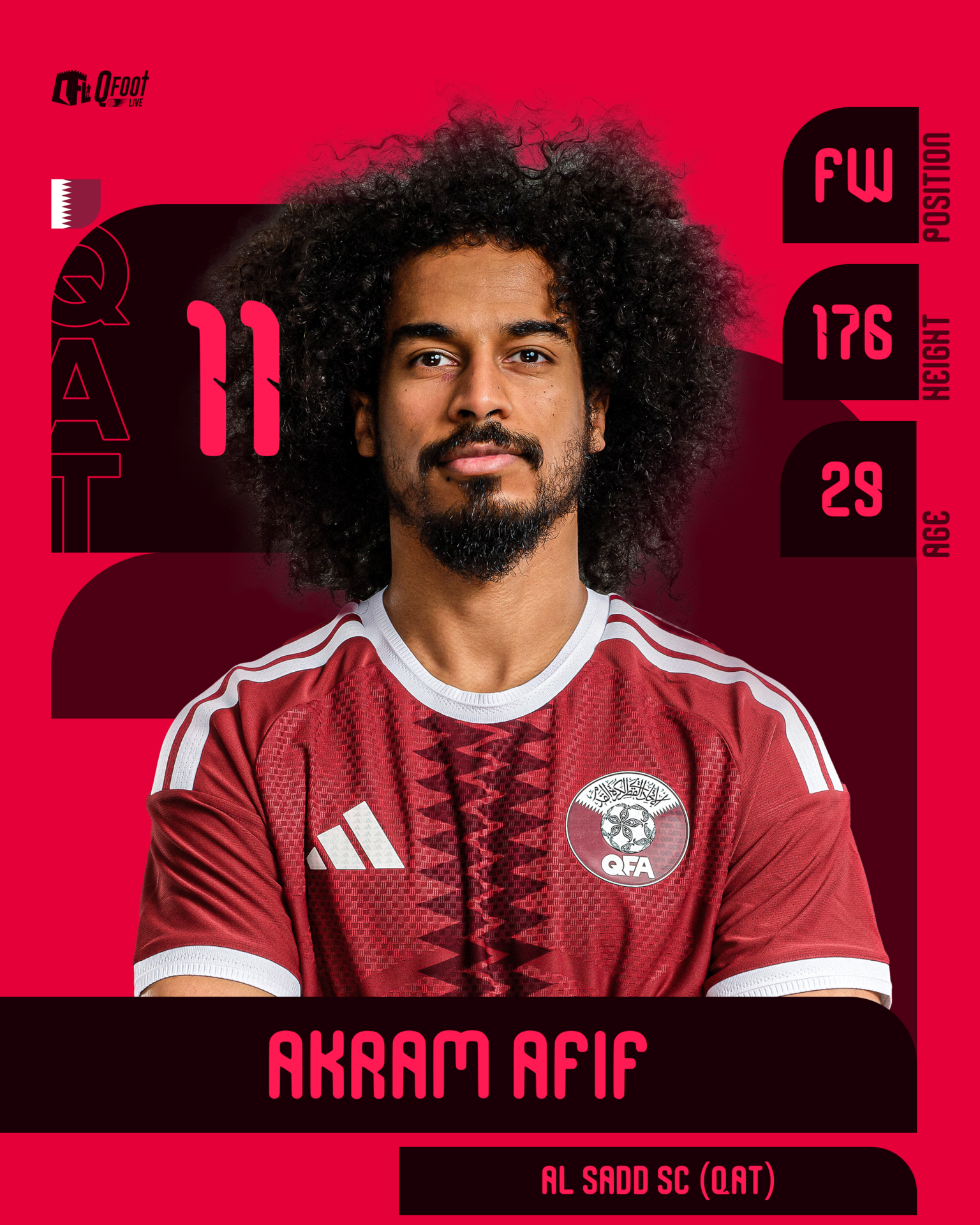
Akram Afif
The debate about whether Akram Afif is the greatest player Qatar has produced now feels largely settled. The 29-year-old forward scored four and racked up fifteen assists during what was a rather average qualifying cycle by his lofty standards, but he came alive when it mattered. Two assists in the decisive clash against the UAE were his latest in a series of clutch performances in a Maroon shirt.
Possessing the kind of quality that led opposition coaches to praise openly during the last two Asian Cup triumphs, Afif has repeatedly proved that the extraordinary remains available to him in a way it simply is not for most players at the Asian level. On the back of a stinging 2022 campaign at home and establishing himself as the talisman ever since, expectations will be to translate that continental exhibit onto the world stage. Qatar will need Afif to show up, yet again.
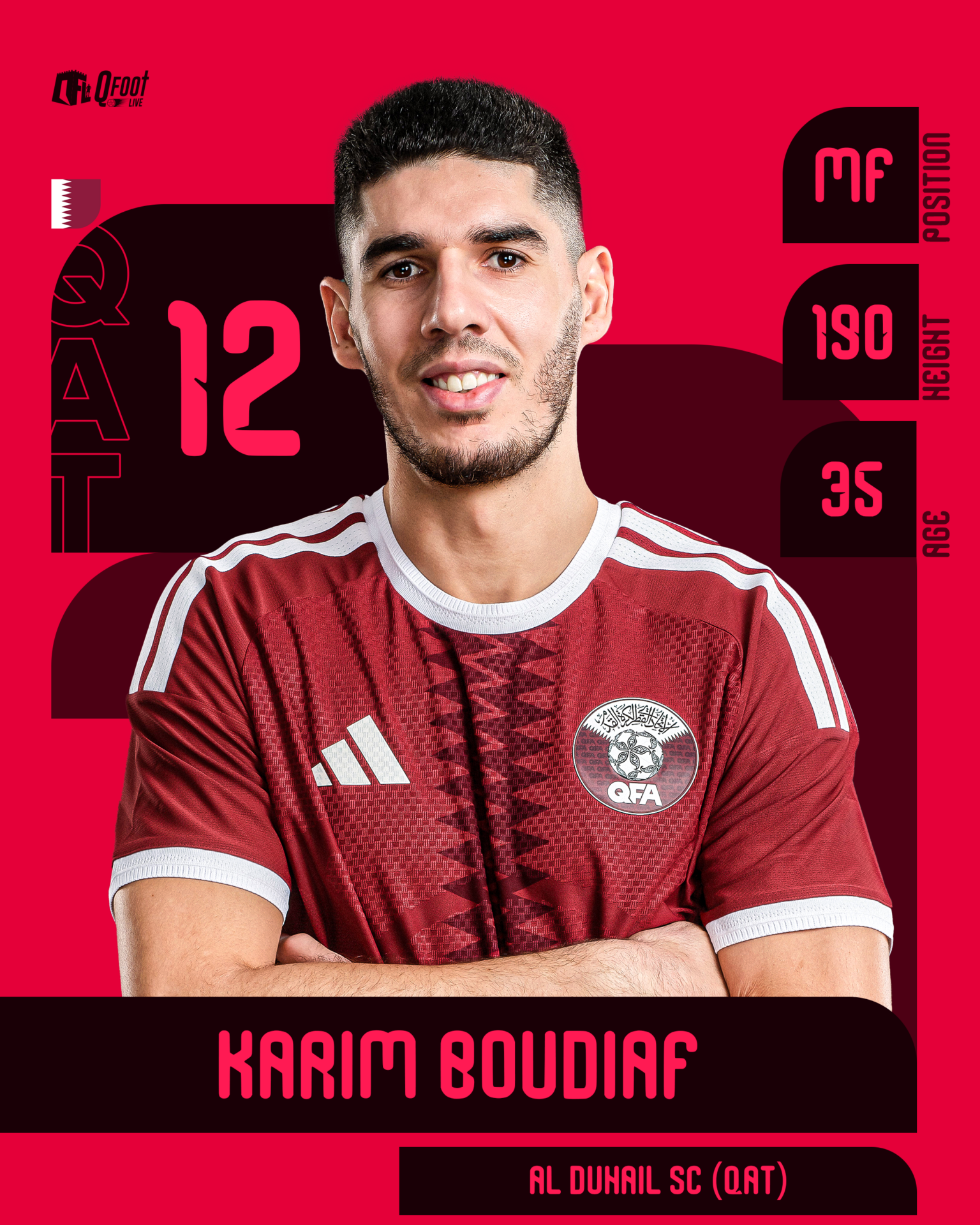
Karim Boudiaf
It’s unlikely that anyone would have predicted the kind of career Karim Boudiaf would have in Qatar, when he arrived to sign for Lekhwiya (now Al-Duhail) just shy of his 20th birthday way back in 2010. The young midfielder was from a different world, having come through the French football system, and joined Djamel Belmadi in attempting to create a dynasty at Lekhwiya.
That’s exactly what happened. Out of all the cogs in Belmadi’s machine, Boudiaf was undoubtedly the vital enduring link which kept things together in the years to come, as the club smashed records and won everything there is to win in Qatari football. After being naturalised, he quickly established himself in the centre of the pitch for Al-Annabi, and his calm presence came to be greatly valued, especially in the 2019 Asian Cup triumph.
After the 2022 World Cup, it looked like Boudiaf’s international career was over. He missed the 2023 continental title defence, but just as we prepared to close that chapter, Lopetegui recalled him, in his attempt to prop up the squad with much-needed experience. After featuring in the two final qualifying games against Oman and the UAE, the 36-year-old Boudiaf has now secured the ticket to North America as well.
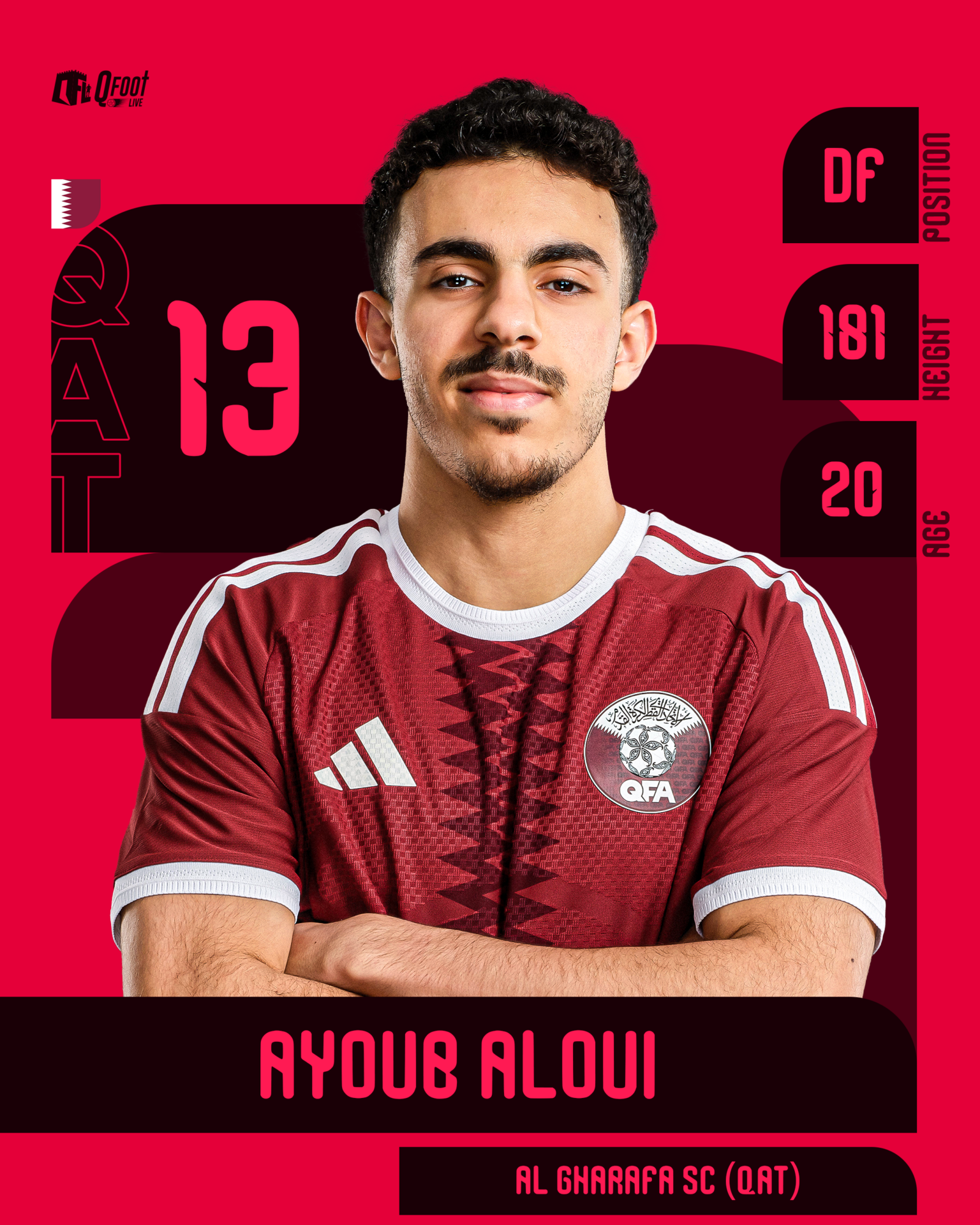
Ayoub Al-Oui
Ayoub Al-Oui was the second surprise card that Qatar drew for the crucial qualifiers, alongside Abunada at goal. Both, in their own way, worked and have since continued to vindicate the bold decision.
The 2005-born right-back was recently crowned the best young player in the league and is confident in possession, with his nerves not getting in the way of driving forward when the moment calls. He has earned his minutes rather than simply being handed them and has played a crucial role in Al Gharafa’s Amir Cup defence. However, the youngster is likely to be part of the defensive rotation in the face of the existing defensive frailties that call for experience. But Al-Oui, at twenty, is the kind of problem a manager is usually glad to have.
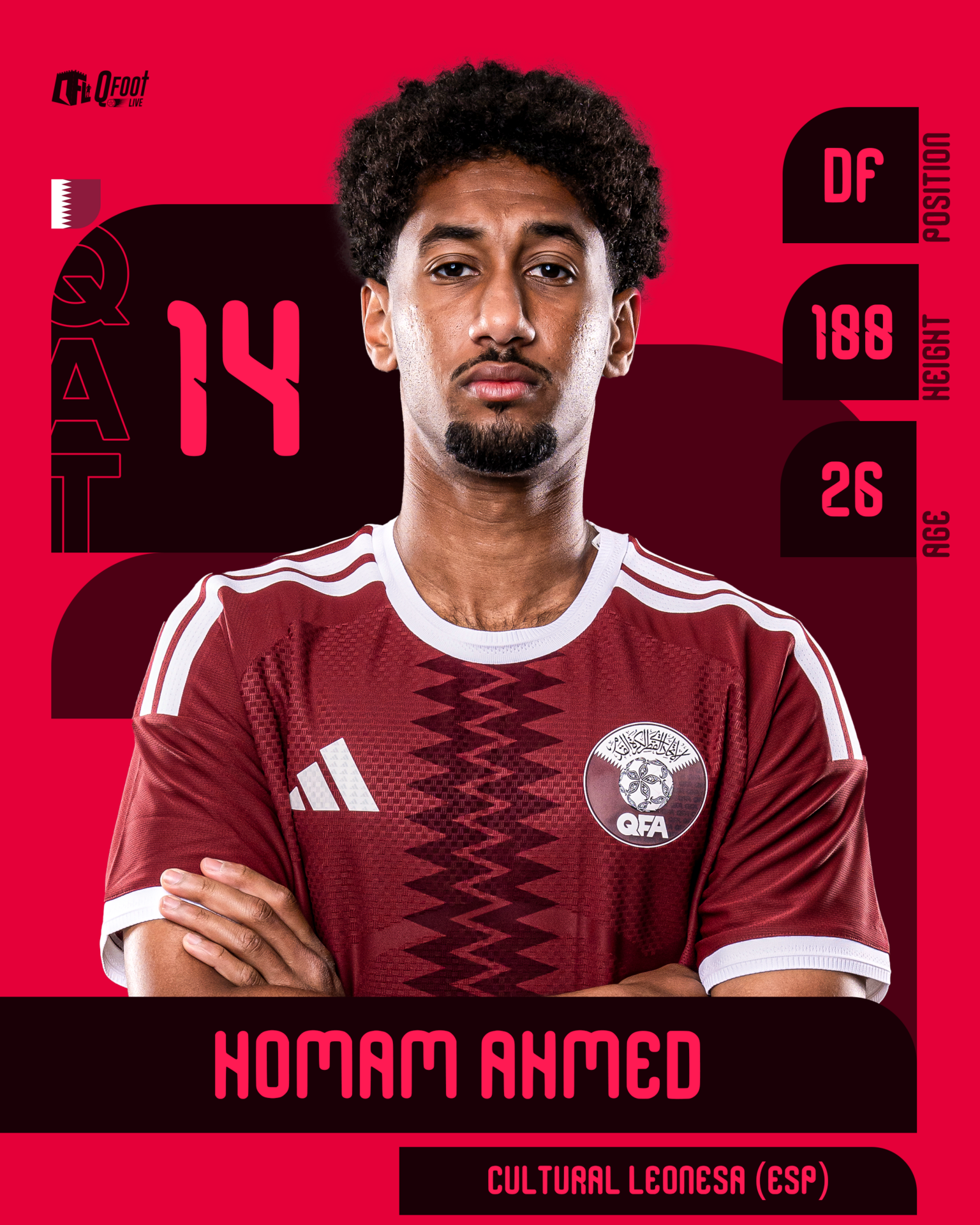
Homam Ahmed
What comes after Abdelkarim Hassan? For years, that question hovered over Qatar’s left-back position, and the rise of Homam Ahmed appeared to provide the answer. A product of Al-Gharafa and Aspire Academy, Homam quickly established himself as a dependable option, capable of operating both in a back four and as a wing-back. His dribbling ability and overlapping runs first caught the eye, before goals such as his superb finish from a tight angle against Honduras at the 2021 Gold Cup further underlined his quality.
Yet, like many of his generation, his early promise has been followed by setbacks. An injury at the 2023 Asian Cup coincided with Mohammed Waad’s emergence at left-back, while two club moves — first to Al-Duhail and then on loan to Aspire-owned Spanish side Cultural Leonesa — have marked a period of transition.
Despite that, Homam has remained firmly in the plans of the national team. Lopetegui has consistently shown faith in him, including in the two pre-World Cup friendlies, and the left-back looks set to remain an important part of Qatar’s plans in North America.
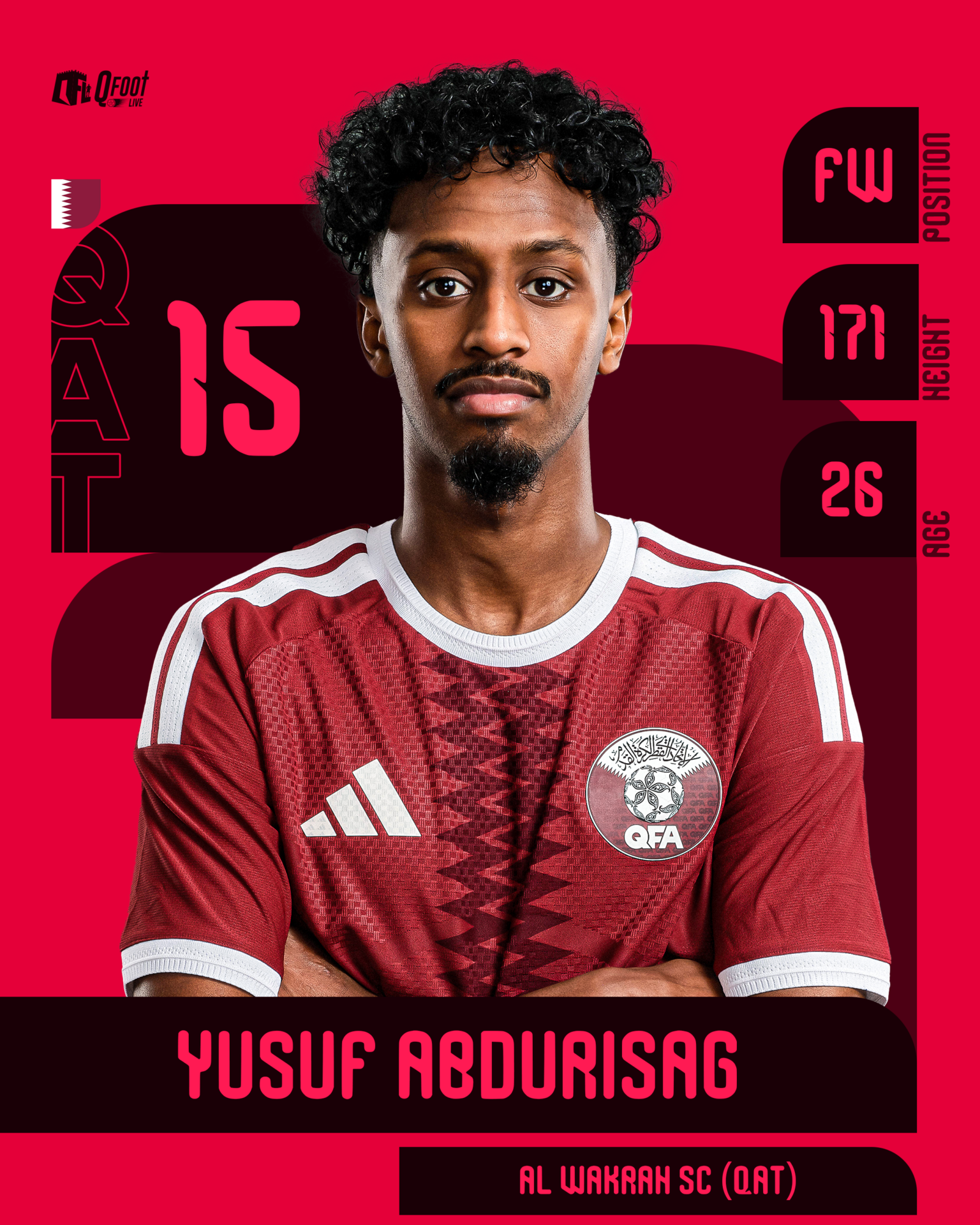
Yusuf Abdurisag
Yusuf Abdurisag has spent six years trying to become the player everyone at Aspire always assumed he would be. An assist on debut at 20 under Felix Sanchez felt like a beginning.
But missing the home World Cup squad just three years later has come to mirror the broader arc of Yusuf’s career thus far. He is 26 now, on his second loan at Al Wakrah, searching for the consistency that would make him indispensable rather than merely interesting. On the way, he has divided opinions.
The friendly against Ireland offered glimpses of his ability to operate off the left and take on defenders. Lopetegui has offered the winger of Somali origin a fair share of minutes lately, and the camp in Santa Barbara, ultimately, should be the biggest opportunity so far for Abdurisag to step out of his shadow.
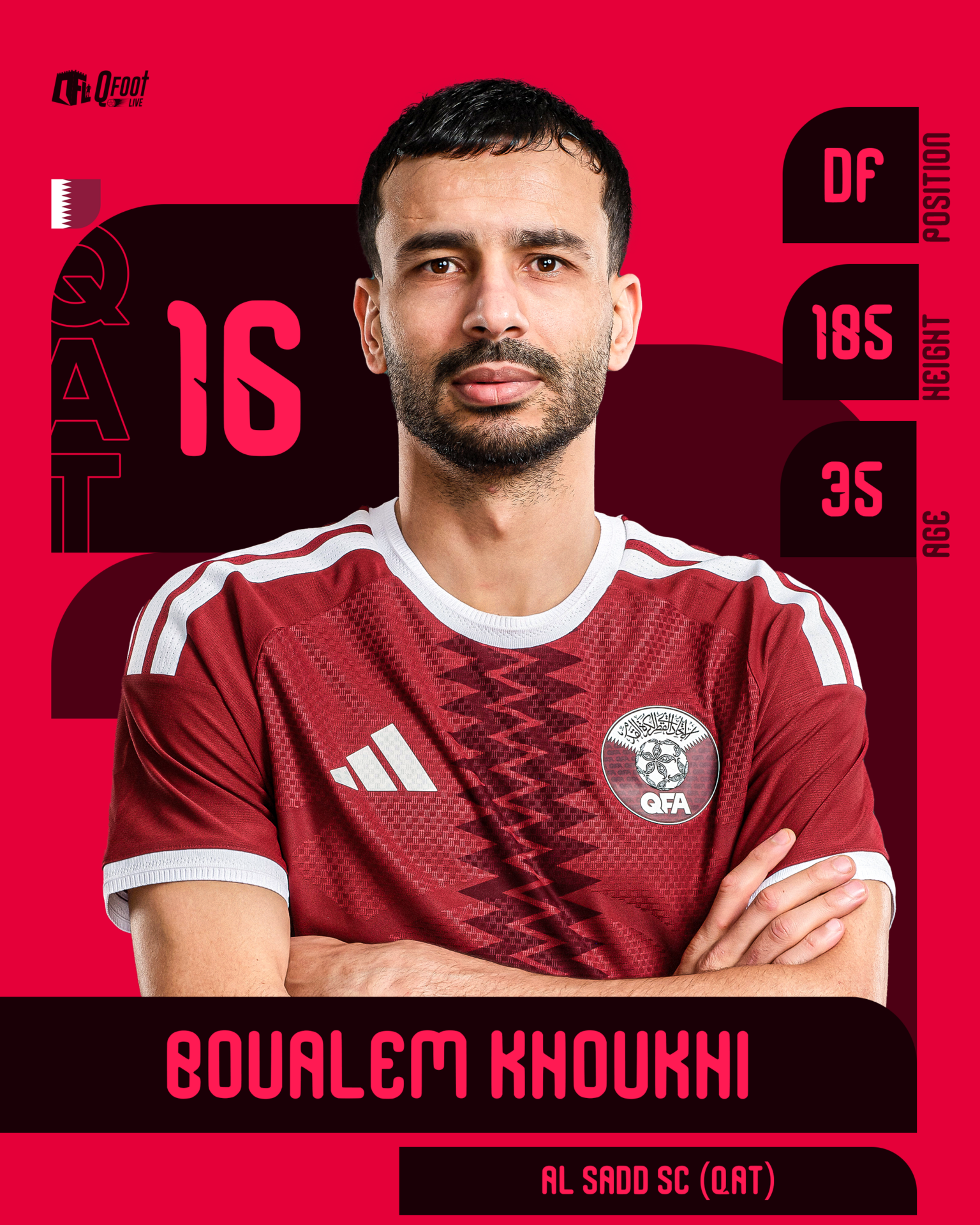
Boualem Khoukhi
Name any position on a football pitch, and chances are Boualem Khoukhi has played there. Well, perhaps not in goal, at least not yet.
When he arrived in Qatar as a teenager in 2009 to join Al-Arabi from Algerian side JSM Cheraga, he was an unknown. Seventeen years later, he has become one of Qatar’s most dependable figures, a player whose value has been defined by his adaptability as much as his consistency. He has played as a forward, operated on the wing, and stepped into midfield when required, before ultimately settling into the heart of defence where he has grown into a mainstay, particularly following his move to Al-Sadd in 2017.
From his early impact as the top scorer at the WAFF Championship to netting in the 2014 Gulf Cup final, and then anchoring the defence during the 2019 Asian Cup triumph where Qatar conceded just once, Khoukhi has repeatedly delivered in defining moments. Even as age has introduced signs of decline – he only featured sparingly at the 2023 Asian Cup title defence – every coach has leaned on him for his enduring quality, and his header in the decisive World Cup qualifier against the UAE served as another reminder of that.
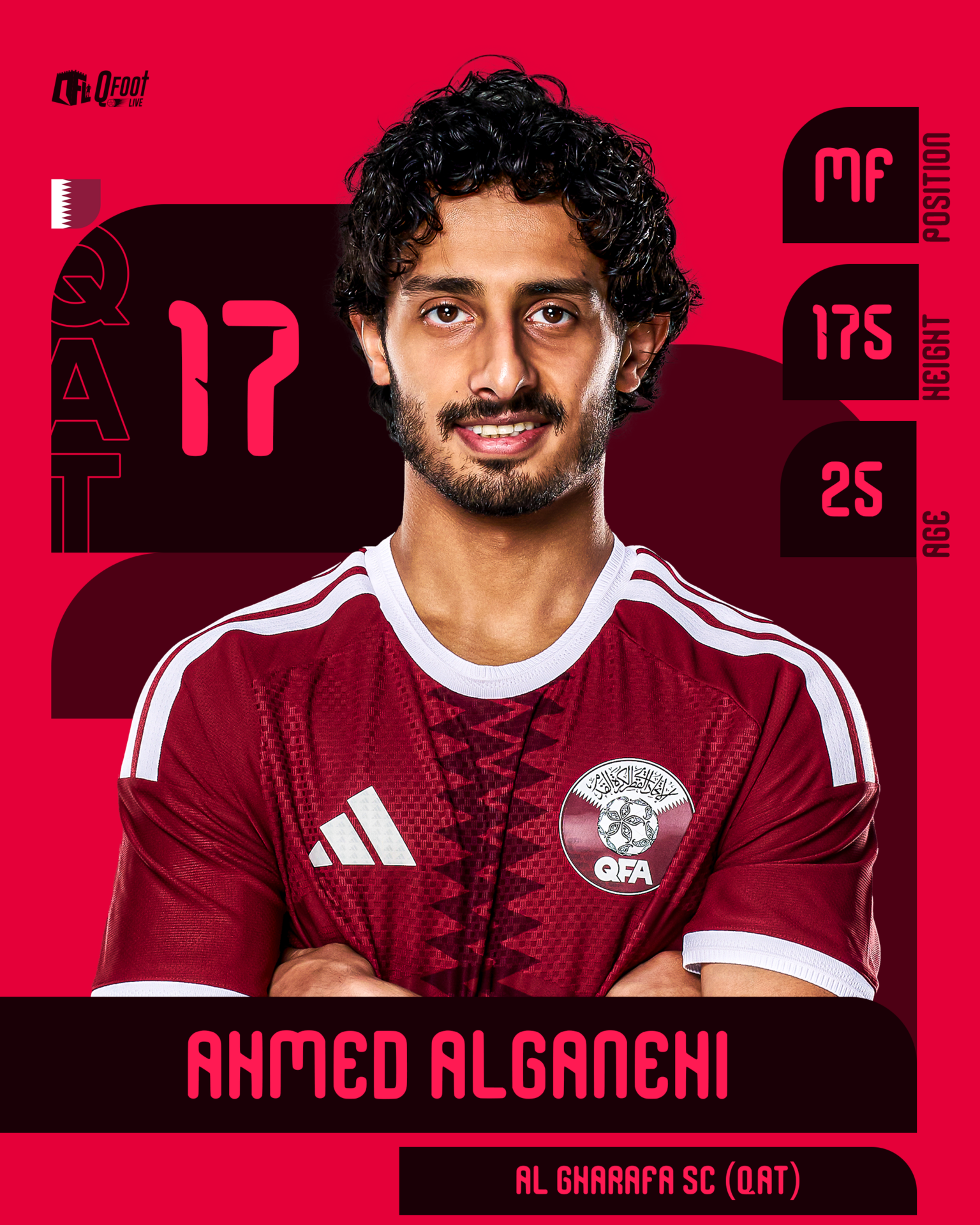
Ahmed Al-Ganehi
After the disappointment of the 2022 World Cup, the big question in Qatari football was if a new generation would step off the conveyor belt and ensure a smooth transition. Sadly, that didn’t materialise. But a few faces have quietly stood out, and Ahmed Al-Ganehi has been one of the most prominent.
While a few names have seemed to flash and burn, Al-Ganehi’s rise has been vital yet gradual for an Al Gharafa side that has reaped the benefits as a collective with consecutive Amir Cup wins. The 25-year-old forward has often acted as connective tissue, playing alongside bigger forwards, and it is perhaps that ability down the middle that has made him start alongside Afif and Ali. The Aspire-groomed forward is also able to operate off the right, but could be looked past if Lopetegui wants an incisive threat inside the box rather than an operator in the final third.
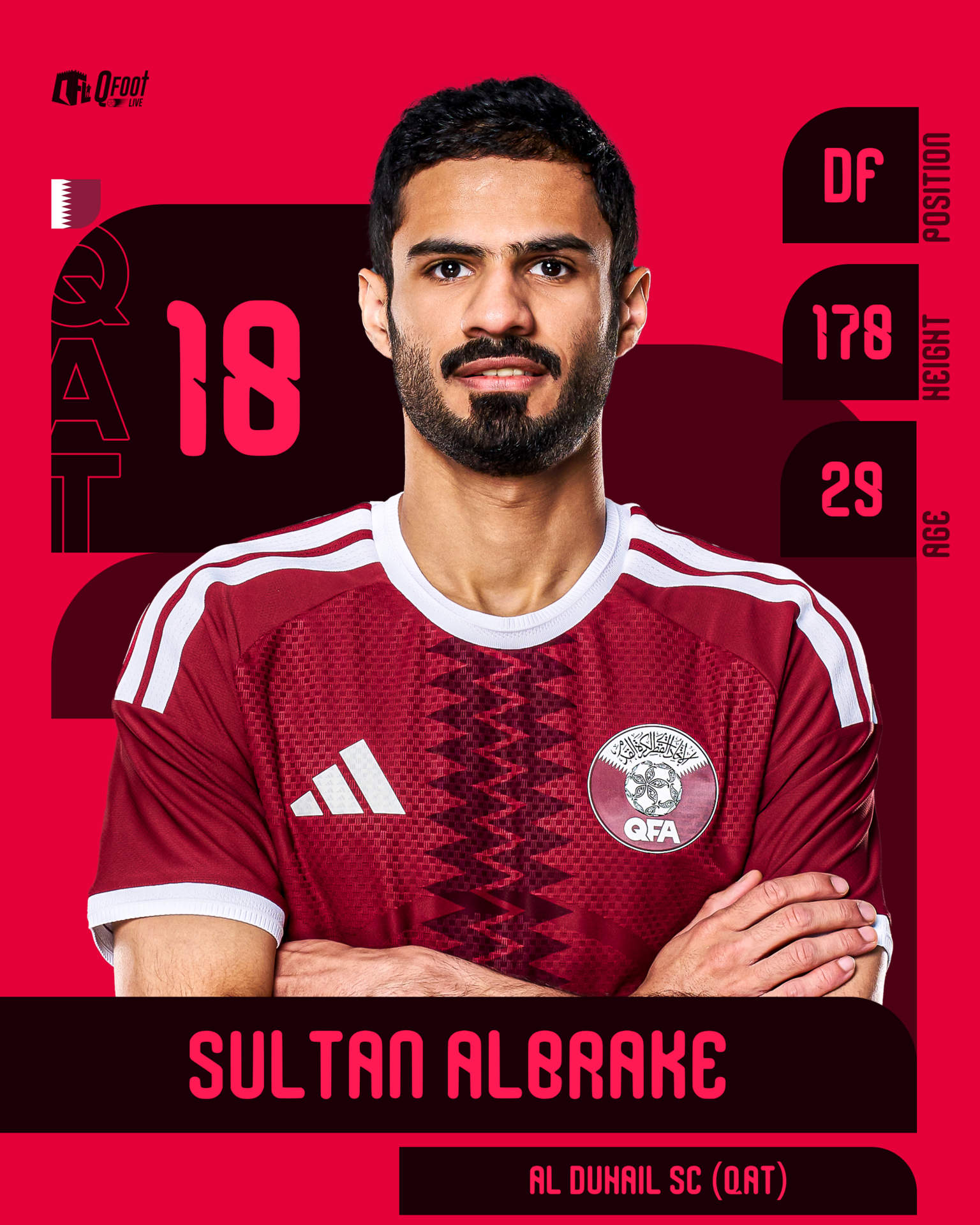
Sultan Al-Brake
Sultan Al-Brake has spent much of his career in the periphery, never becoming quite the name that gets mentioned first. At Al Duhail, he is the kind of squad member a club finds vital and dependable.
With Qatar, the story had remained equally quiet until the valuable shifts against Oman and the UAE in qualifying. A workhorse who drives up and down the left, Al-Brake can whip crosses in and seldom shies away from a duel, aerial or otherwise.
The interesting footnote is Homam Ahmed, who could take up Al-Brake’s position in the eleven and is currently at Cultural Leonesa, the same Spanish side where Al-Brake himself once had a stint.
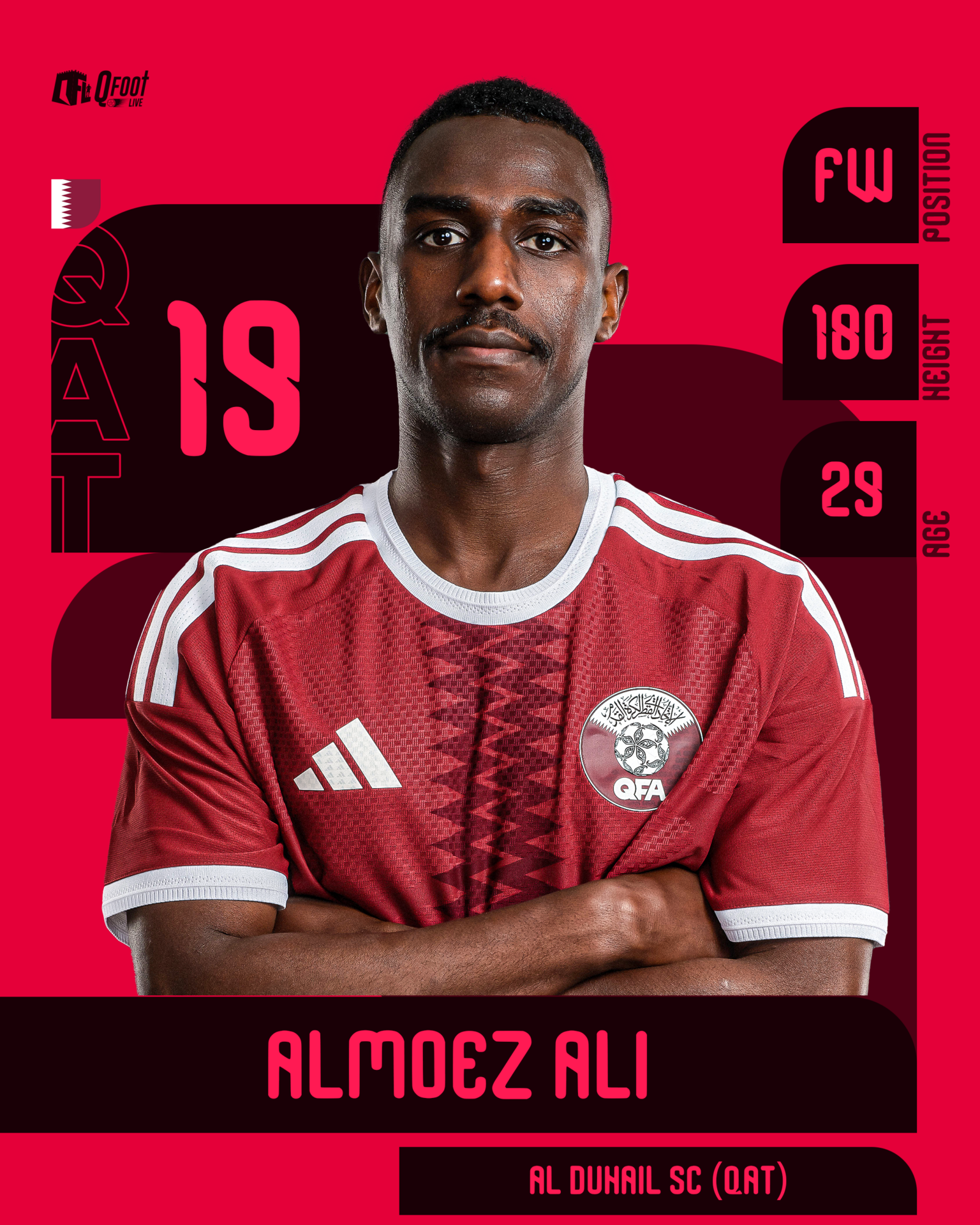
Almoez Ali
It was Jose Mourinho who said Almoez Ali had “all it takes to be playing in another league” after watching the then 22-year-old forward score nine goals at the 2019 Asian Cup. Mourinho was not wrong: the goals have kept coming, and Ali is Qatar’s highest scorer while still being the greatest threat that the Maroons pose inside the box.
Yet, the bigger stage never materialised, and the record from Qatar’s maiden Asian Cup triumph remains the zenith against which everything else has been measured and fallen short. He arrives at this World Cup having navigated two consecutive injuries and subpar seasons at Al Duhail by his standards. Qatar will hope that the combination with Afif still works and the big-yet-agile quality comes alive inside the box. If Qatar are to secure a first World Cup win, the burden of that moment and maybe the looping cross will fall, as it usually does, on him.
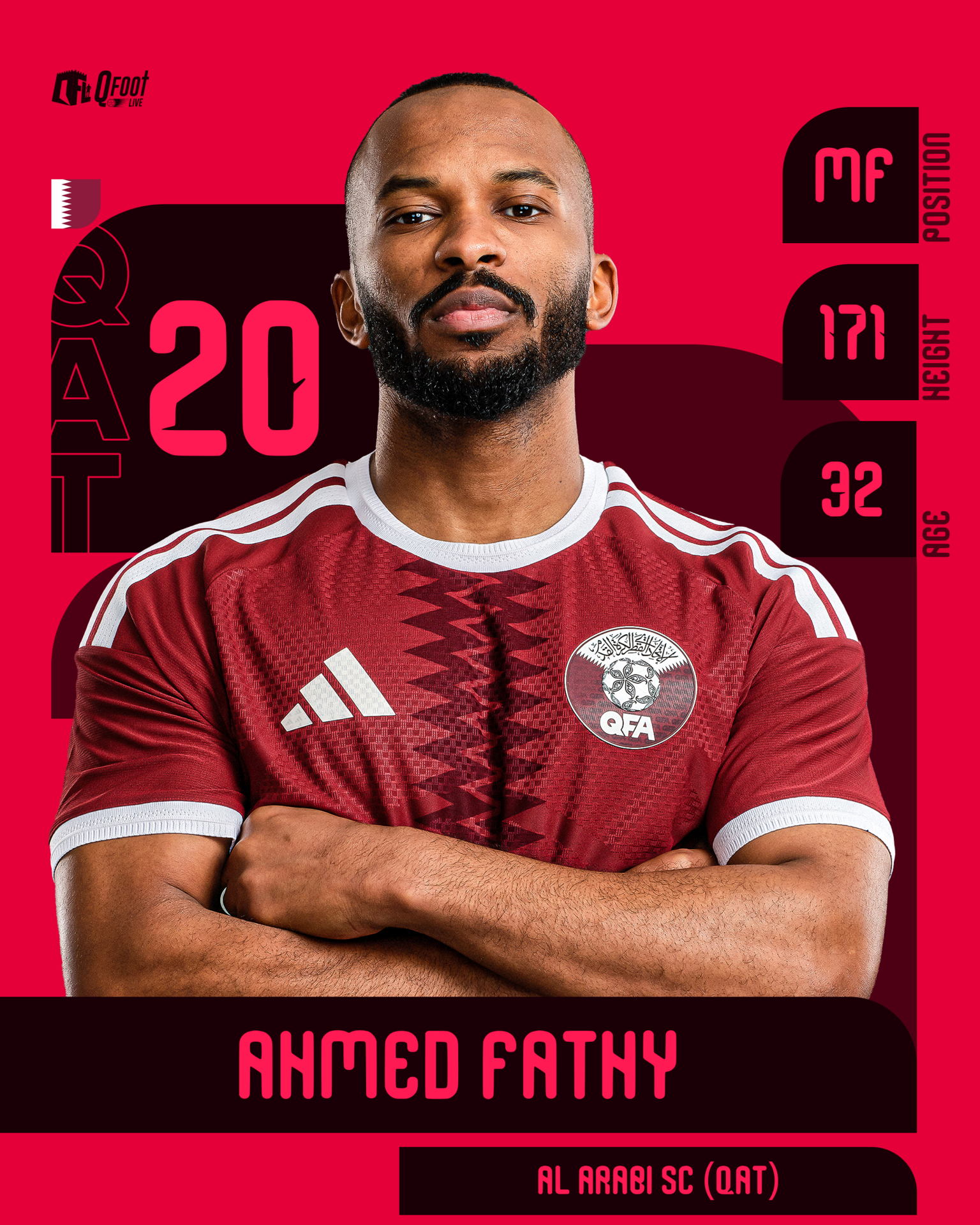
Ahmed Fathy
Ahmed Fathy followed his father into Qatari football, but in a different way and under a different spotlight. The question of influence in the game often leads back to Fathy Abdoun, his father, who has spent close to three decades shaping youth football from the sidelines. Yet within the same family, there has also been a presence on the pitch — one that has quietly carried the name forward in its own right.
Now 33, Ahmed Fathy has spent his entire club career at Al-Arabi, unlike his father’s long association with rivals Al-Sadd. It was in Al-Arabi’s midfield that he established himself as a tireless, hard-working presence – a player whose value was defined less by flair and more by control, discipline, and relentless energy in the centre of the pitch.
Félix Sánchez handed him a senior international debut in 2017, but opportunities at major tournaments initially came in limited bursts. This included brief minutes during the 2019 Asian Cup, before a more prominent role arrived when he captained Qatar’s second-string side at the 2023 Gold Cup.
The 2023 Asian Cup title defence then marked a turning point, with Fathy starting all but one match and delivering assured performances, particularly in the demanding battles against Uzbekistan and Iran.
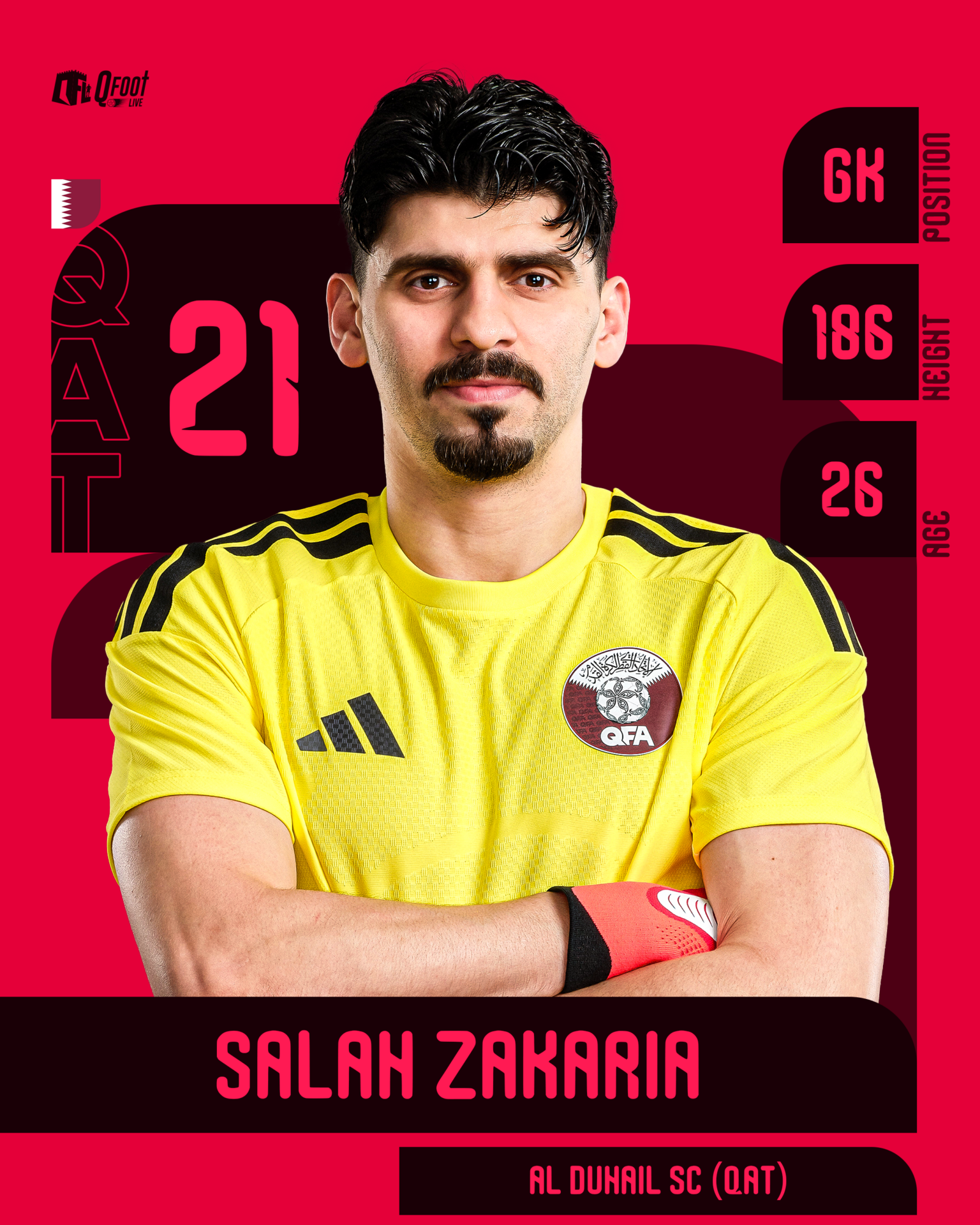
Salah Zakaria
Salah Zakaria’s rise at Al-Duhail has been steady rather than sudden. Season after season, he has built a reputation as a composed and dependable presence between the posts, even as the conversation around Qatar’s goalkeeping hierarchy has shifted above him. The emergence of Mahmoud Abunada and the long-standing presence of Meshaal Barsham have meant that Salah’s excellence has often gone unrewarded at international level, leaving him in a familiar role for many national team goalkeepers: performing, waiting, and staying ready.
At club level, however, his importance has been difficult to ignore. Al-Duhail finished in a disappointing fifth spot this season, but they still conceded the fewest goals in the league — a statistic that speaks directly to the structure and security Salah provided behind his backline.
In the AFC Champions League Elite, he delivered one of the defining performances of their season, standing firm against Al-Ahli’s attacking force in the Round of 16. Salah was instrumental in extending the tie deep into extra time, where his penalty save from Ivan Toney further underlined his ability to influence the biggest moments, even if the night eventually ended in heartbreak when Riyad Mahrez struck in the 117th minute.
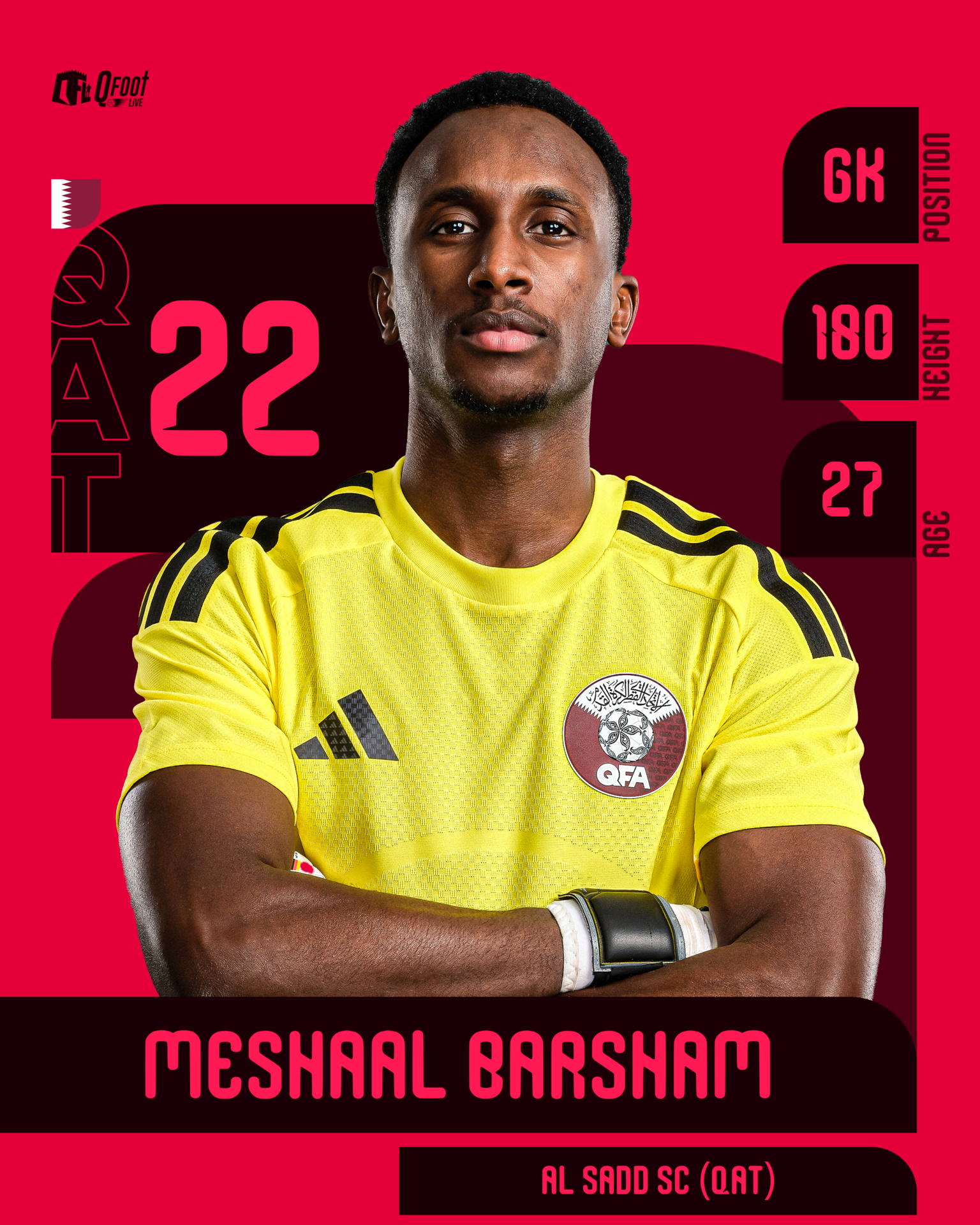
Meshaal Barsham
Coming from one of Qatar’s most accomplished sporting families — and having a brother in Olympic high jump champion Mutaz — recognition did not come automatically for Meshaal Barsham. His early years at Al-Sadd were marked by mistakes and scrutiny, none more glaring than his continental debut in front of over 78,000 fans at the Azadi Stadium, where a harmless back-pass slid past him into the goal.
Yet, trusted by Xavi when others might have looked elsewhere, Barsham gradually became what every successful side craves: a goalkeeper whose confidence radiates onto his defenders. Quick off his line and comfortable in possession, his reliability carried him through coach after coach and into becoming the safe pair of hands for club and country. Shootout victories in the 2021 Arab Cup and 2023 Asian Cup burnished his reputation as a penalty specialist; the latter also brought him the Golden Glove.
But prolonged dominance can breed comfort. This past season Barsham has faltered, and for the first time in years, genuine competition has arrived in Mahmoud Abunada, who has nudged ahead in the World Cup reckoning. Lopetegui will hope the challenge rekindles the sharpness that once made Barsham indispensable.
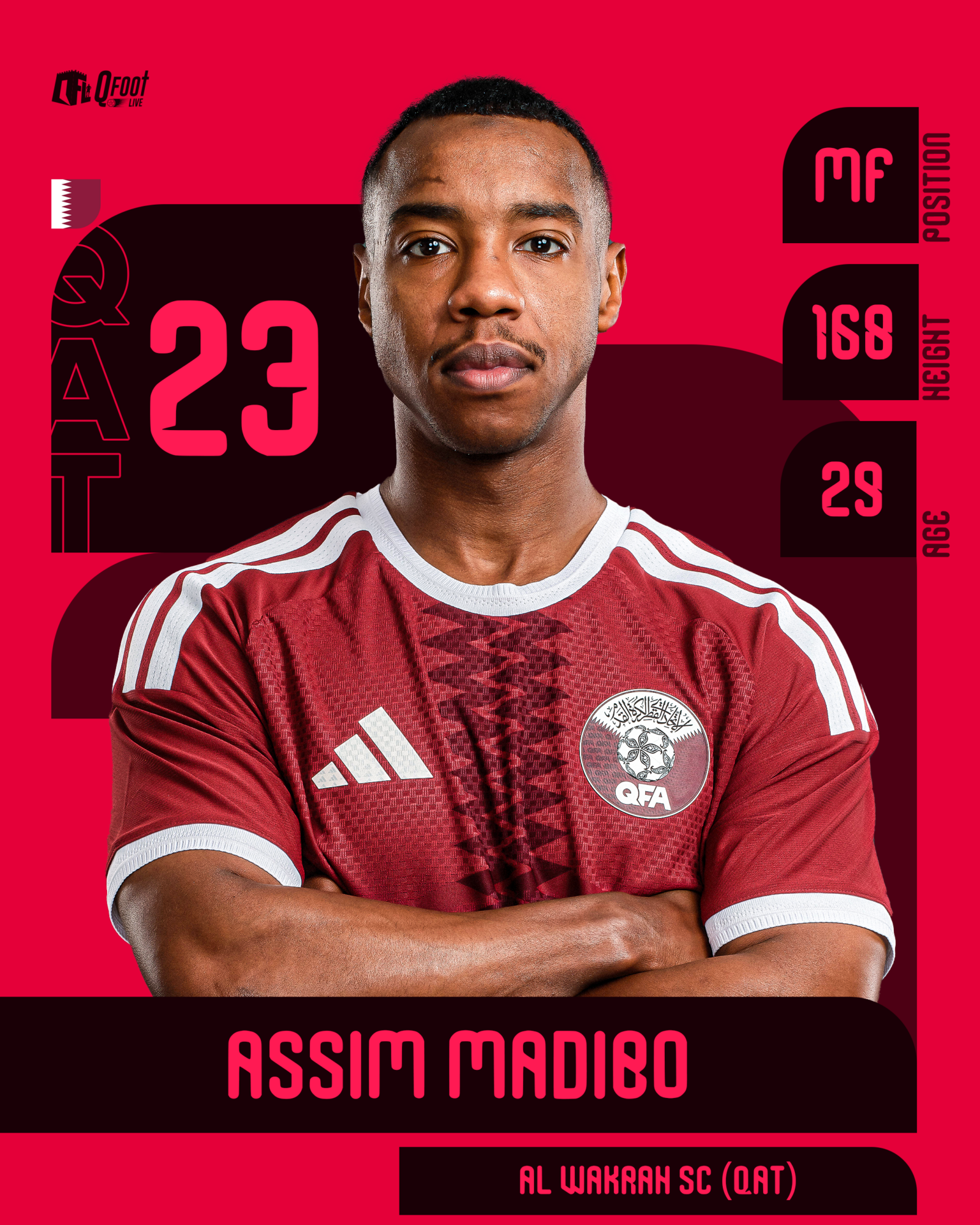
Assim Madibo
There are footballers who announce themselves through goals and headlines, and then there are those who make their presence felt through tackles, interceptions and quiet authority. Assim Madibo has long belonged to the latter category. The son of a police officer, his game has always reflected steely grit and a no-nonsense edge, qualities that made him an important part of Qatar’s 2019 Asian Cup triumph. It was Madibo, after all, whose challenge in a friendly denied Neymar a Copa América and briefly pushed him into wider recognition.
Yet the years that followed threatened to move him into the margins. Injuries disrupted his rhythm and turned a once-automatic midfield presence into a player drifting in and out of the national team picture. The relentless ball-winner of 2019 has inevitably evolved, but his value has not disappeared.
A return to childhood club Al-Wakrah last season offered a reset, and with it a reminder that experience can still anchor a midfield. He may no longer cover ground with the same intensity, but Madibo remains a trusted option when structure is needed.
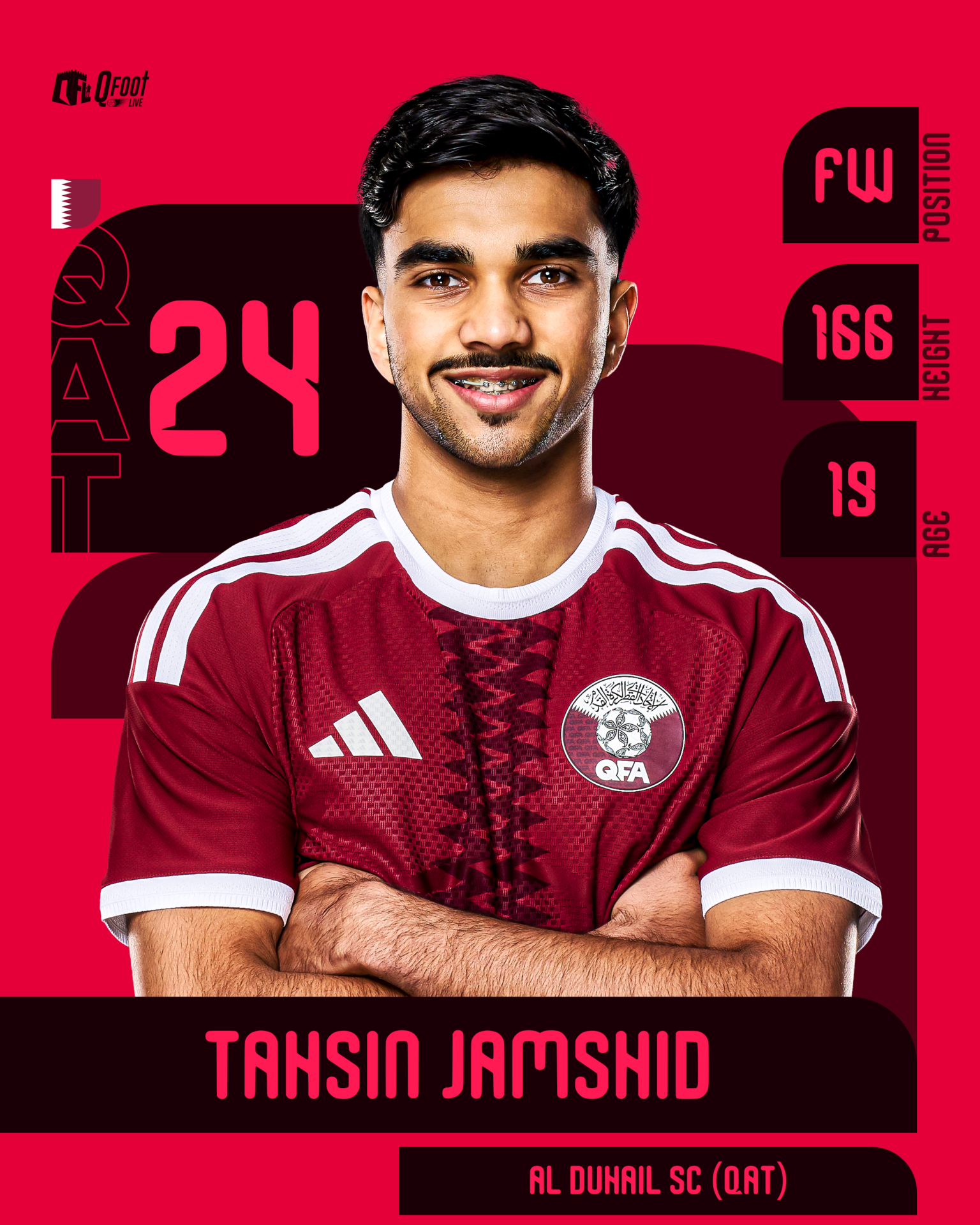
Tahsin Jamshid
Tahsin Jamshid’s selection as the World Cup squad’s youngest member has resonated deeply with Qatar’s Indian expat community and, even more so, back in his family’s homeland of Kerala, where his flexboard cutouts and posters now join those of Messi, Ronaldo and Neymar on paddy fields and walls across the state.
Having come through the Aspire Academy, Tahsin has always carried the potential to make it big. When Qatar’s debut World Cup showing failed to sparkle in 2022, he was quietly shining with the U-17 national team. Four years on, he is the only member of that age group to earn a place in the senior squad for 2026.
Now the 19-year-old stands on the verge of becoming the first Malayali – and first player of Indian parentage – to appear at a World Cup. A grade 2 hamstring tear in late 2025 threatened to derail that dream, but his return at Al Duhail, capped by a solo Amir Cup goal against Al-Arabi, earned him a national team recall and reaffirmed his place in Lopetegui’s plans.
Soft-spoken off the pitch but direct when running at defenders, Tahsin offers Qatar something different – not just width and delivery, but a willingness to take risks in one-on-one situations.
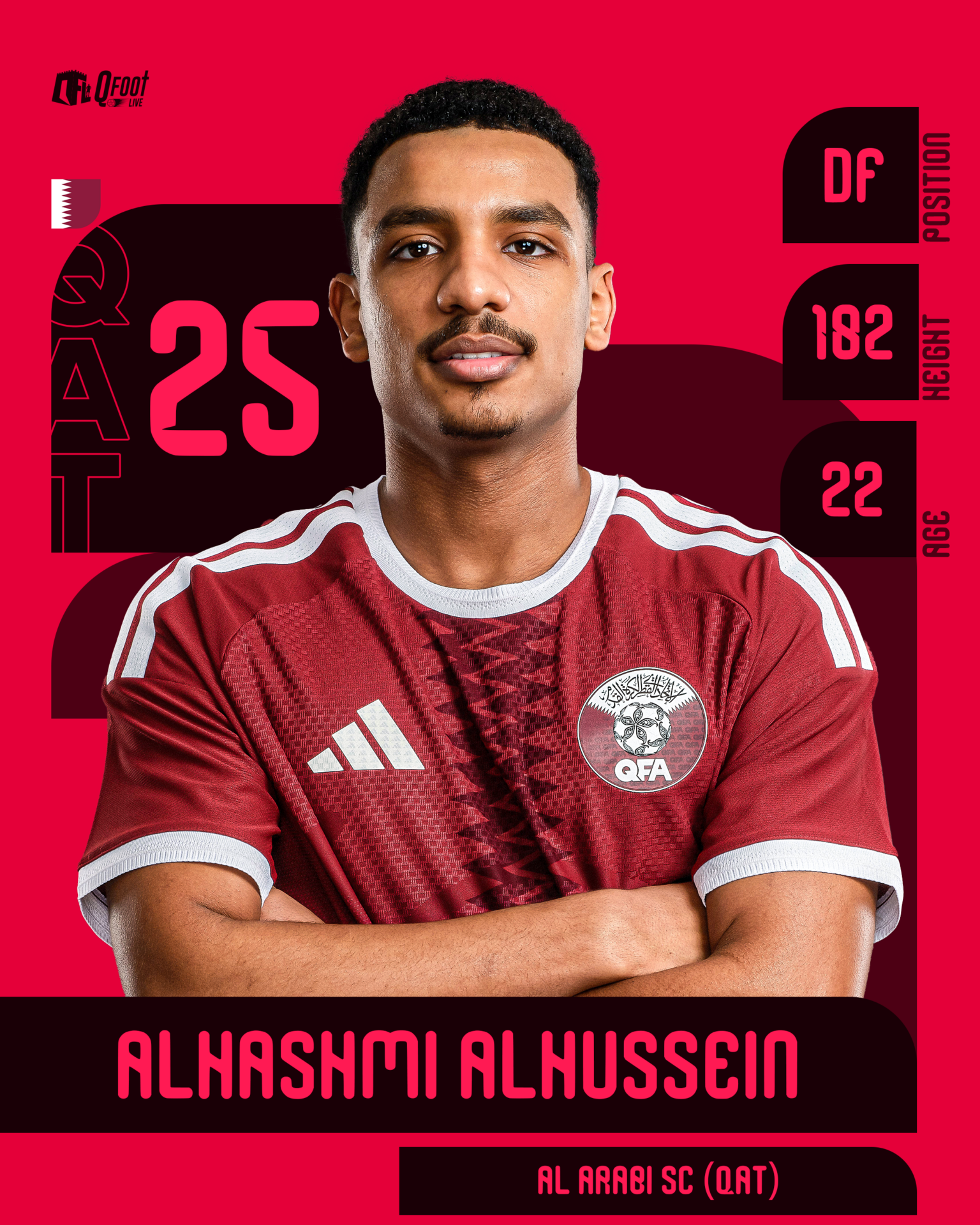
Al-Hashmi Al-Hussein
Young, composed, and still finding his place at senior level, Al-Hashmi Al-Hussein represents the newer wave of Qatari defenders shaped by Aspire Academy. The Al-Arabi centre-back has steadily progressed over the years, having also spent time in Spain playing for the B teams of AD Alcorcon and CD Calahorra. The 2025-26 season marked his breakthrough in Qatari football, as he earned valuable playing time for Al-Arabi, and even got on the scoresheet in the Amir Cup.
Outside Qatar, however, his name first gained attention for reasons far removed from his defensive development. On his senior international debut, during a qualifier against India, he inadvertently became central to a major controversy when he rolled a ball back into play that had crossed the line, allowing Yousef Ayman to score. With no VAR in place, the incident went uncorrected, the goal stood, and Al-Hashmi found himself at the centre of a storm in opposition media.
Since that moment, he has not featured in another qualifier, but his international pathway has continued. Appearances under Luis Garcia in the 2024 Gulf Cup and later under Julen Lopetegui at the 2025 Arab Cup suggested renewed trust in his development. The 22-year-old has now been rewarded with a place in Qatar’s World Cup squad, as one of the youngest members.
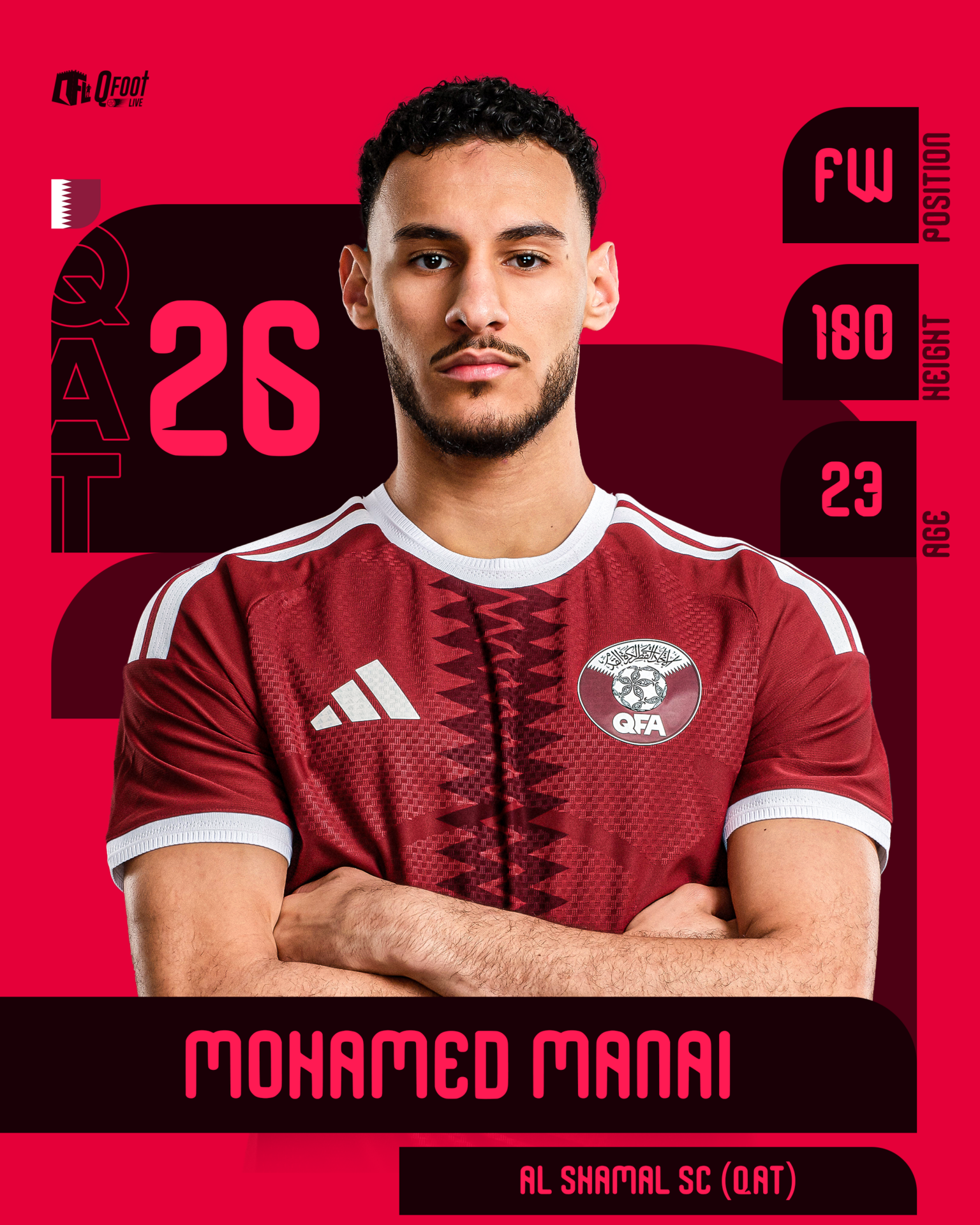
Mohamed Manai
Mohamed Manai will arrive at the World Cup oozing with confidence on the back of a stellar season with Qatar Stars League runners-up Al Shamal, where he has been playing on loan from Al-Sadd.
The last season, he was one of they key players for the team from the north of the country, as they went on to qualify for the AFC Champions League Elite for the first time.
That will only add to the trust that head coach Lopetegui has put in the youngster, who was promoted to the senior national team setup last June as the search for a physical and courageous profile in midfield ended.
A versatile profile capable of pushing further up the pitch, Manai has frequently been amongst the scorers both at the club and at the age levels. The 22-year-old is also a handy profile to bring off the bench, but it will not be surprising if fielded as a starter.
